
Autumn Solar Can Still Cut Your Energy Bills
Solar panels can still make a useful difference to your electricity use in autumn. Days are shorter and the weather changes quickly, but brighter spells can produce power for your home during the middle of the day. That means less electricity may need to come from the grid while your panels are generating.
The real value comes from matching generation with the way you use energy. If your home produces more solar power than it needs at a given moment, that surplus can be exported or stored for later. We help homeowners across Wolverhampton and the wider West Midlands look at their roof, household energy habits and future plans before recommending a quality-led system. We focus on a design that suits the property, rather than a standard package.
Why Autumn Generation Supports Solar Panel Installation
Summer usually brings longer periods of solar generation, but autumn sunshine should not be overlooked. On a clear day, a well-positioned and unshaded array may still generate more electricity than your home is using around midday. This is particularly common when the house is quiet during the day and appliances are not running heavily.
Surplus solar electricity has three possible routes:
- It can be used straight away by appliances in your home.
- It can be exported to the grid.
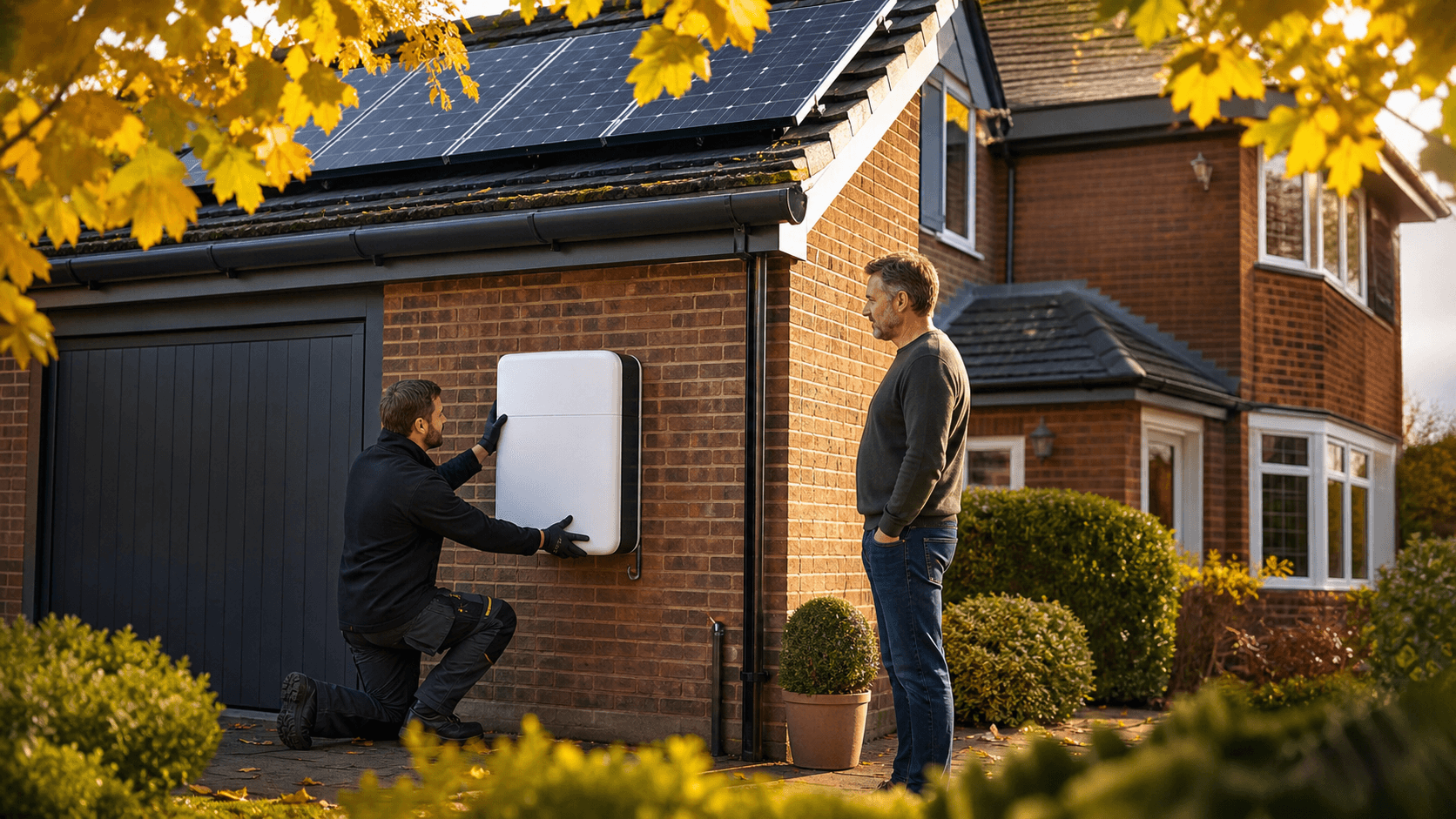
- It can be held in a battery for use later in the day.
Battery storage can be helpful, but the solar panels themselves are the starting point. A battery does not produce electricity, so it relies on a suitably designed array to charge from. Before planning a solar panel installation in Wolverhampton, we consider available roof space, panel direction, shading and your expected electricity demand across the year.
Generated daytime power can support the times when many homes use more electricity, such as the evening. Lighting, cooking, washing, entertainment and device charging can all add to demand after work or school. Depending on your tariff and the way your household uses power, using solar electricity at these times may reduce the amount you buy from the grid.
Design Solar Panels Around Your Wolverhampton Home
Every roof has its own strengths and limits. A proper survey gives us the chance to assess roof direction, pitch, usable space, nearby trees, neighbouring buildings and the overall condition of the installation area. These details matter because even a small shaded section can affect how a solar array performs.
South-facing roofs can be very productive, but they are not the only option. East and west-facing panels may spread generation over more of the day, which can work well for homes with morning and evening demand. The best layout depends on your roof and how you live, not on a single rule about which way panels should face.
Your electricity use matters just as much as the roof. We review current use alongside likely changes in the years ahead. For example, your system requirements may be different if you work from home, cook with electricity, charge an electric vehicle or are considering a heat pump.
A tailored solar design should account for:
- Your usual daytime, evening and overnight electricity use.
- Any plans to add an electric vehicle charger or heat pump.
- The number of panels your roof can safely and sensibly accommodate.
- The likely effect of shading at different times of day.
Quality components, careful workmanship and clear documentation all play a part in a system that is right for your property. Our solar panel installation process is built around explaining the equipment choices and realistic performance expectations in plain English. You should know why the proposed system suits your home before work begins.
Choose a Solar Array That Fits Daily Use
Choosing a solar array is not simply about selecting the largest number of panels available. The right size depends on your usable roof space, the electricity your household uses and the amount of generation you are likely to use throughout the day.
An array that is too large may produce more surplus than your household can use during autumn and winter. On the other hand, a smaller array may not generate enough to make a meaningful difference to your regular demand. During a solar panel installation in Wolverhampton, we look at the relationship between your roof, your expected generation and your normal routines.
This can be especially useful if your household is out during the day. Your panels may be generating while demand is low, then you return home ready to cook, put on a wash, switch on lights and charge devices. Matching the array to those routines can help you make better use of the electricity your roof produces.
Future plans should also be part of the conversation. An electric vehicle, heat pump or extra panels can change the amount of electricity you generate and use. We can factor those ambitions into the initial design, helping you avoid paying for a system that does not fit your needs while keeping sensible options open.
Plan Your Autumn Installation with Clear Priorities
Autumn is a useful time to take stock of your energy use. As daylight hours reduce and more electricity is used at home in the evening, you may find it easier to spot patterns in your bills and routines. Planning early also gives you time to understand your roof's potential before the stronger generation months return.
When discussing a proposed system, clear questions lead to clearer decisions. We recommend asking about:
- How many panels your roof can support and why.
- Expected generation across the full year, not just in summer.
- Whether shading could affect output.
- How a battery would work with the solar array.
- What monitoring is included so you can follow your system's performance.
Solar panel installation remains the foundation of the project. Battery storage can add flexibility, but the strongest result starts with an array that reflects your roof, electricity use and long-term plans. A careful survey and thoughtful design give you a clearer picture of what your home can produce and when that power can be most useful.
Capture More Value From Every Sunny Day
Autumn solar surplus is not a limitation, it is a reminder that solar generation can be useful well beyond the brightest summer days. With the right panel layout, your home can produce electricity throughout the year, while a well-matched battery can hold some daytime surplus for later use.
The practical goal is simple: generate what your roof can reasonably support, use as much of that electricity as possible at home and choose equipment that fits real daily habits. That approach keeps the focus on a solar system designed around your household, rather than adding equipment that does not serve a clear purpose.
Make Your Solar Generation Work Harder
At Eaasy Heat, we can assess whether battery storage installation in Wolverhampton suits your solar setup, household use and future plans. Our team will explain the options clearly, with recommendations based on what your home genuinely needs. If you would like tailored advice, contact us to arrange a conversation.