A heat pump central heating system should feel calm and comfortable, not loud or fussy. If you are thinking about moving away from a gas boiler, you might be wondering how quiet a heat pump can be and whether it will keep you warm when the weather turns cold. Those are sensible questions, especially in busy streets and close-knit neighbourhoods.
We design and install heat pumps in real homes, with real families and routines. In this guide, we will explain what actually affects noise, how to get steady comfort during winter, and the simple choices in design, location and settings that make a heat pump central heating system quiet, cosy and easy to live with.
Enjoy Whisper-Quiet Heating All Year Round
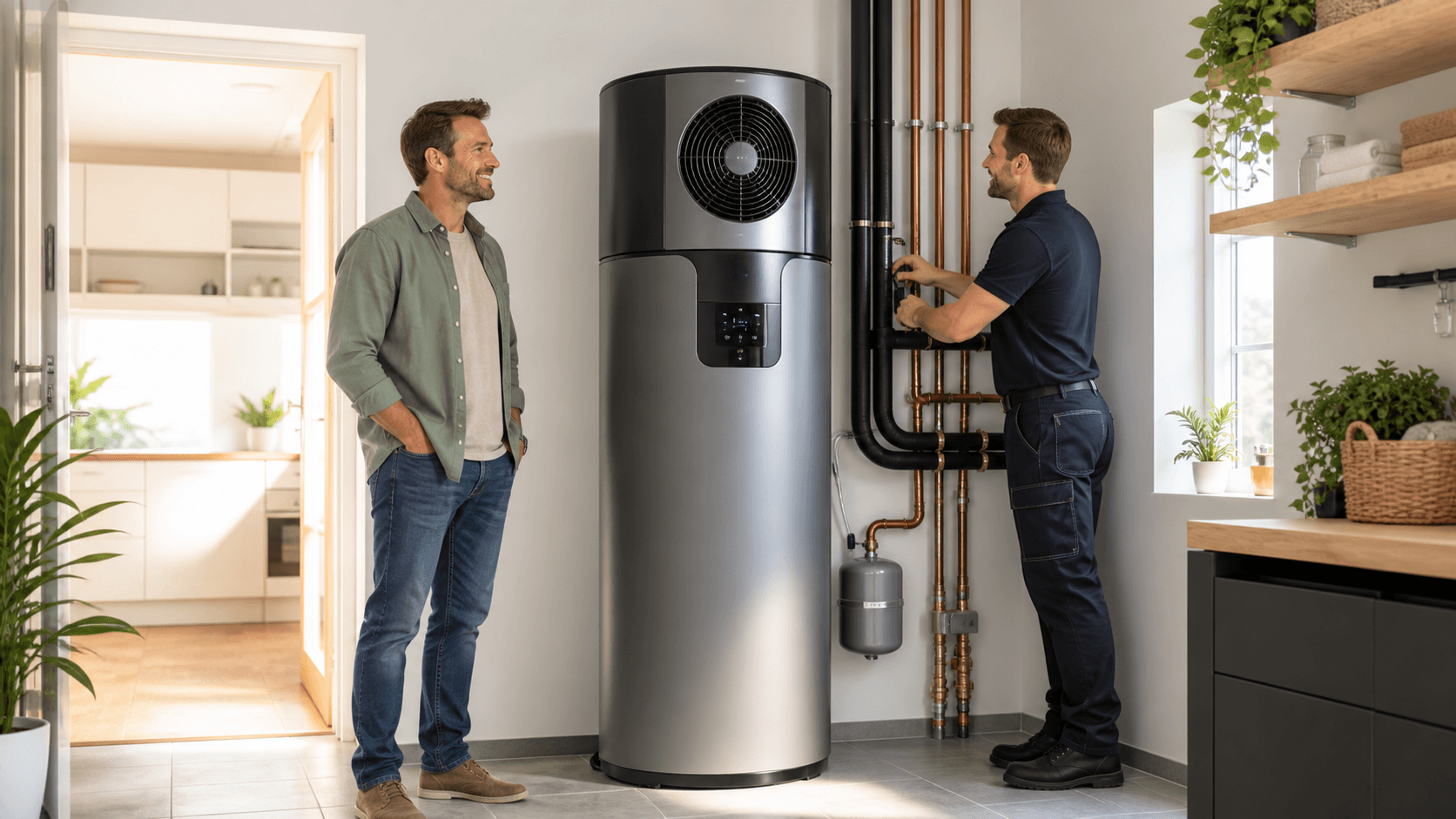
A heat pump central heating system takes low-level heat from the air outside and upgrades it to warm water that flows through your radiators or underfloor heating. It replaces the need to burn gas in a boiler, which means lower carbon emissions and the chance to run your home on cleaner electricity.
Lots of UK households are now looking at heat pumps as gas boilers reach the end of their life, especially ahead of colder months. Two worries come up again and again:
- Will the outdoor unit be noisy in the garden?
- Will the house still feel properly warm in January?
Our honest answer is that both can be solved with good design. Modern heat pumps are built to be quiet, and when they are correctly sized, placed and set up for how you actually live, they can feel even calmer than a boiler system. Around Birmingham and nearby towns, we focus on getting that balance right between efficiency, comfort and low sound.
What Really Makes a Heat Pump Noisy or Quiet
The sound from a heat pump mostly comes from three places:
- The compressor and fan in the outdoor unit
- Water moving through pipes, valves and radiators
- Vibration being passed into walls, brackets and floors
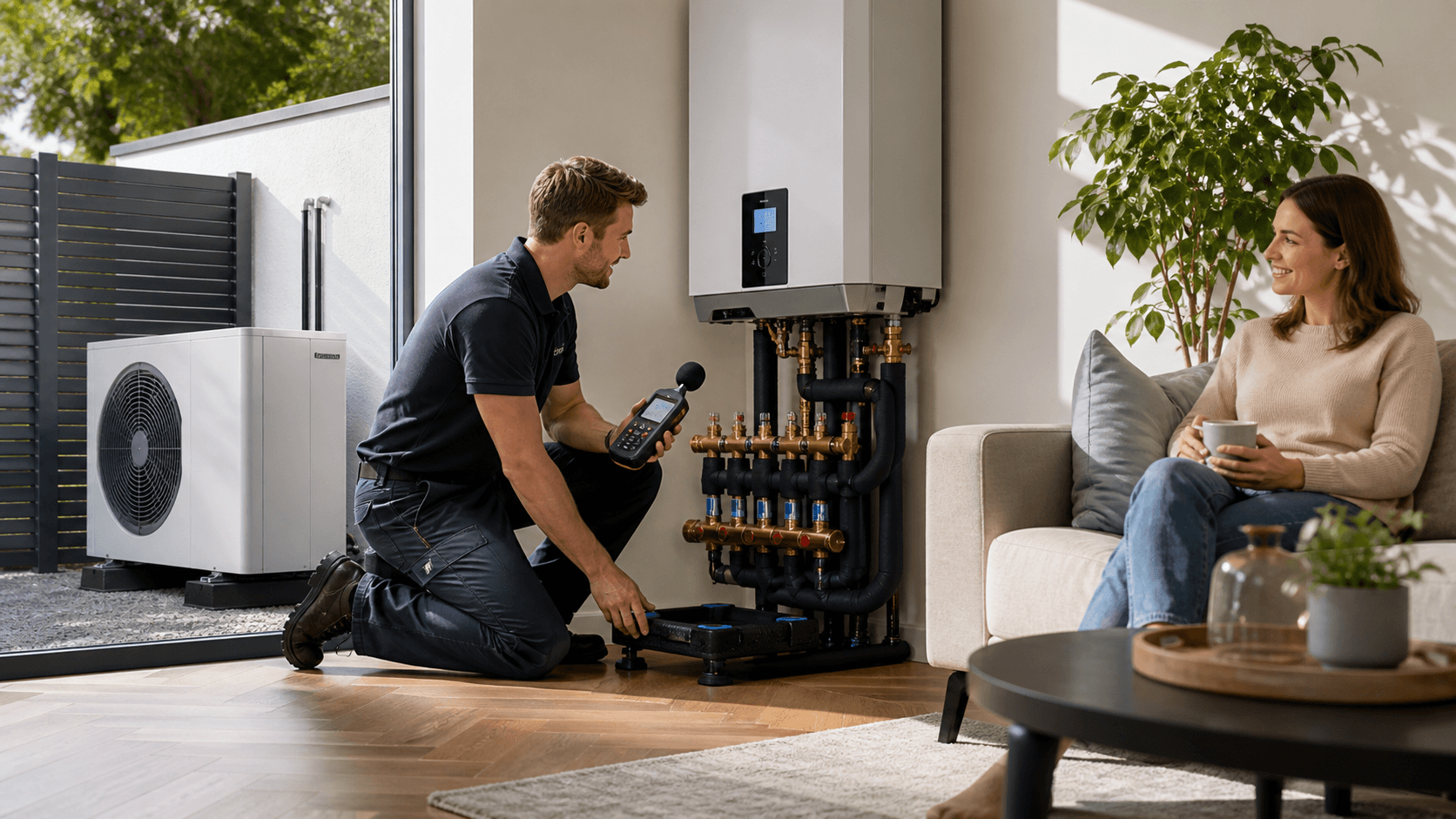
Manufacturer dB ratings are measured in test conditions. They are helpful, but they do not tell the full story of how sound feels in a small garden, on a terrace, or under a bedroom window on a still night. A gentle hum can seem louder if it is bouncing off hard surfaces or sitting in a corner that acts like a reflector.
The good news is that careful design makes a big difference. For example:
- Correct siting so the unit is not pointing at a bedroom or neighbour's patio
- Anti-vibration mounts and flexible connections to stop humming travelling into brickwork
- Good-quality insulation on pipes to cut water noise and stop ticking as they warm up
In tight Birmingham terraces and typical semis, space can be tight and gardens can be small. That is why we pay close attention to where the outdoor unit goes, which way it faces, and what it is fixed to, so it blends into the background of daily life.
Designing a Comfortable Heat Pump Central Heating System
Comfort with a heat pump feels a bit different from a boiler. Instead of very hot radiators that cycle on and off, a heat pump central heating system usually runs at lower water temperatures for longer. This is called low-flow-temperature heating and it gives a steady, even warmth.
To make that work well, the design needs to be careful and specific to your home:
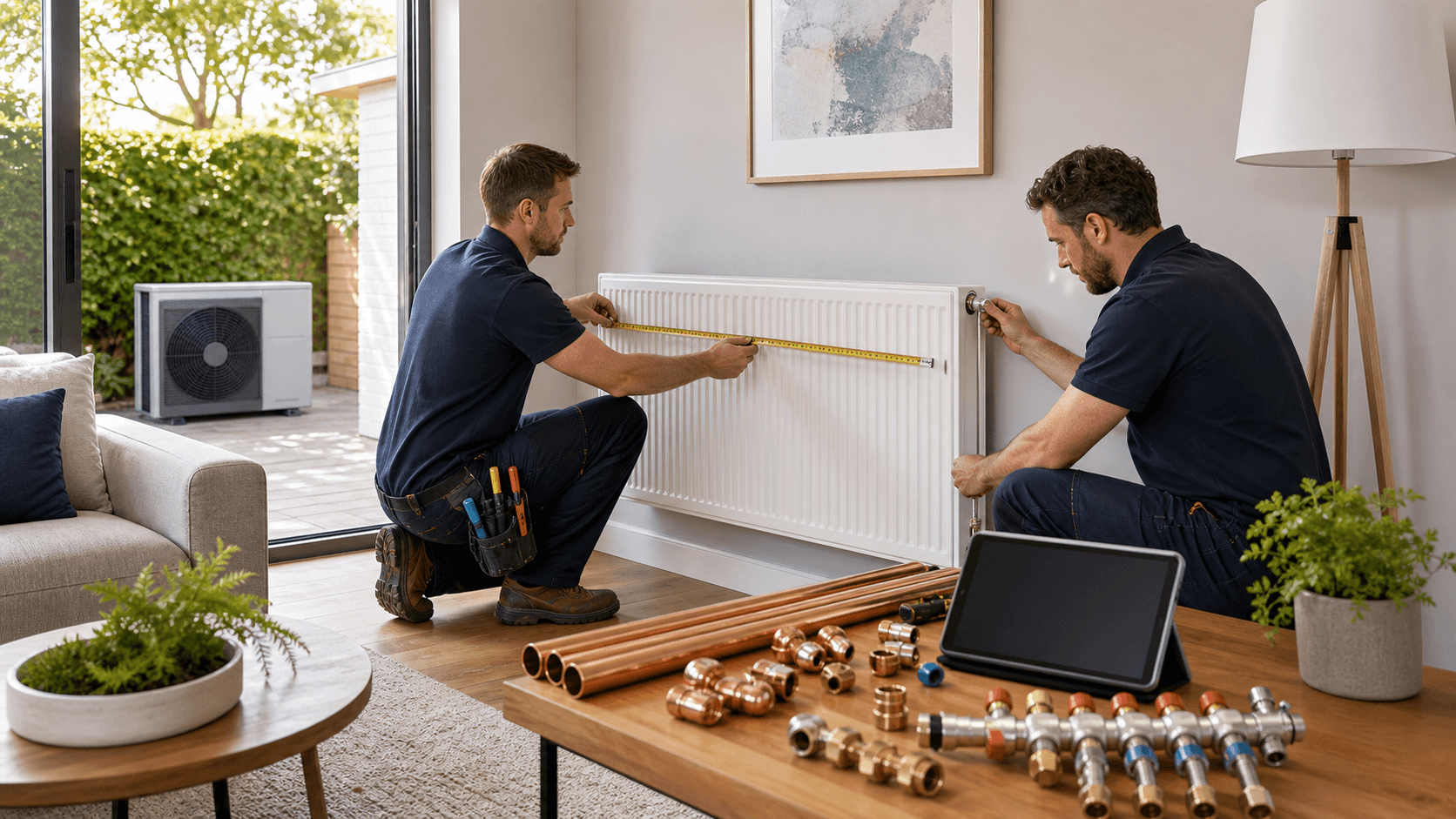
- Room-by-room heat loss calculations, not just a guess based on floor area
- Choosing radiators or underfloor circuits that are large enough for lower temperatures
- Setting realistic flow temperatures that match the building and the outside weather
If the system is too large, it can keep stopping and starting, called short cycling, which can add noise and wear. If it is too small, you risk cold spots and slow warm-up on frosty January and February mornings. Right sizing keeps the heat pump ticking over gently, which is quieter and more comfortable.
Controls matter too. With the right setup, you can have:
- Weather compensation so the flow temperature rises as the outside temperature drops
- Simple smart controls to keep living spaces and bedrooms at different set points
- Zoning so home offices, loft rooms or extensions all feel comfortable without overheating other rooms
This kind of design work is not something most homeowners can or should try to do alone, which is why we put so much care into it at the survey and planning stage.
Smart Location and Installation for Peaceful Homes
Where the outdoor unit sits is just as important as which model you choose. Good practice usually means:
- Keeping it away from bedroom windows where possible
- Avoiding echo-prone corners, narrow alleys and solid courtyards
- Staying mindful of neighbours' patios and sitting areas
There are several mounting options. Ground stands can be very quiet when combined with anti-vibration feet and a firm base. Wall brackets can work well if the wall is solid and we add flexible connections and careful fixing, so vibration is not carried into the home.
Inside, quality installation shows up in the small details:
- Neat pipework that is well clipped, insulated and not resting on loose boards
- Correct use of valves, filters and, where needed, hydraulic separation to keep water flow smooth
- Quiet circulating pumps and correct pump speeds to avoid rushing water sounds
In many UK streets there are also planning rules and boundary distances to think about. We always keep an eye on these, and we also encourage simple, friendly communication with neighbours so everyone knows what is being installed and where. Acoustic screens or planting can help soften both sound and appearance when space allows.
Everyday Settings That Keep Your System Quiet and Cosy
Once the system is in, daily use is mainly about gentle, steady control rather than big swings. Heat pumps are happiest when they keep the home at a stable temperature, instead of dropping the heating low all day and then trying to catch up in one big hit.
Some helpful habits are:
- Use set-and-forget room temperatures instead of large overnight setbacks
- Allow the system to run for longer periods at lower output
- Avoid very aggressive early-morning schedules that ask for a rapid temperature jump
Seasonal tweaks help too. In the coldest months, a slightly higher flow temperature may be needed to keep things comfortable. In summer, when you only need hot water, you can often tone things down, which reduces run time and noise.
There are a few simple checks that homeowners can carry out safely:
- Bleeding radiators if they are cool at the top
- Keeping filters and strainers accessible for a professional to clean
- Making sure the outdoor unit is clear of leaves, debris, and snow or ice build-up
We always recommend a professional service before winter starts. A trained engineer can check pressures, pumps, controls and antifreeze levels, and pick up small issues before they become noise or comfort problems.
Make Your Future Heating Quiet, Warm and Low Carbon
A quiet, comfortable heat pump central heating system does not happen by accident. It depends on thoughtful design, smart positioning of the outdoor unit, careful installation and simple, steady day-to-day settings that suit the way you live.
Modern systems can feel just as warm as a traditional boiler, with a calmer background sound and without the bursts of heat and noise that many people are used to. For homes in Birmingham and the surrounding areas, we at Eaasy Heat focus on those details so you can enjoy low-carbon heating that feels natural, gentle and reliable through every season.
Get Started With Your Project Today
If you are ready to improve your home's comfort and cut your energy bills, we can help you choose and install the right heat pump central heating system for your property. At Eaasy Heat, we take the time to understand your home, your budget and your long-term plans so we can recommend what truly fits. To arrange a tailored quotation or ask any questions, simply contact us and our team will be in touch.