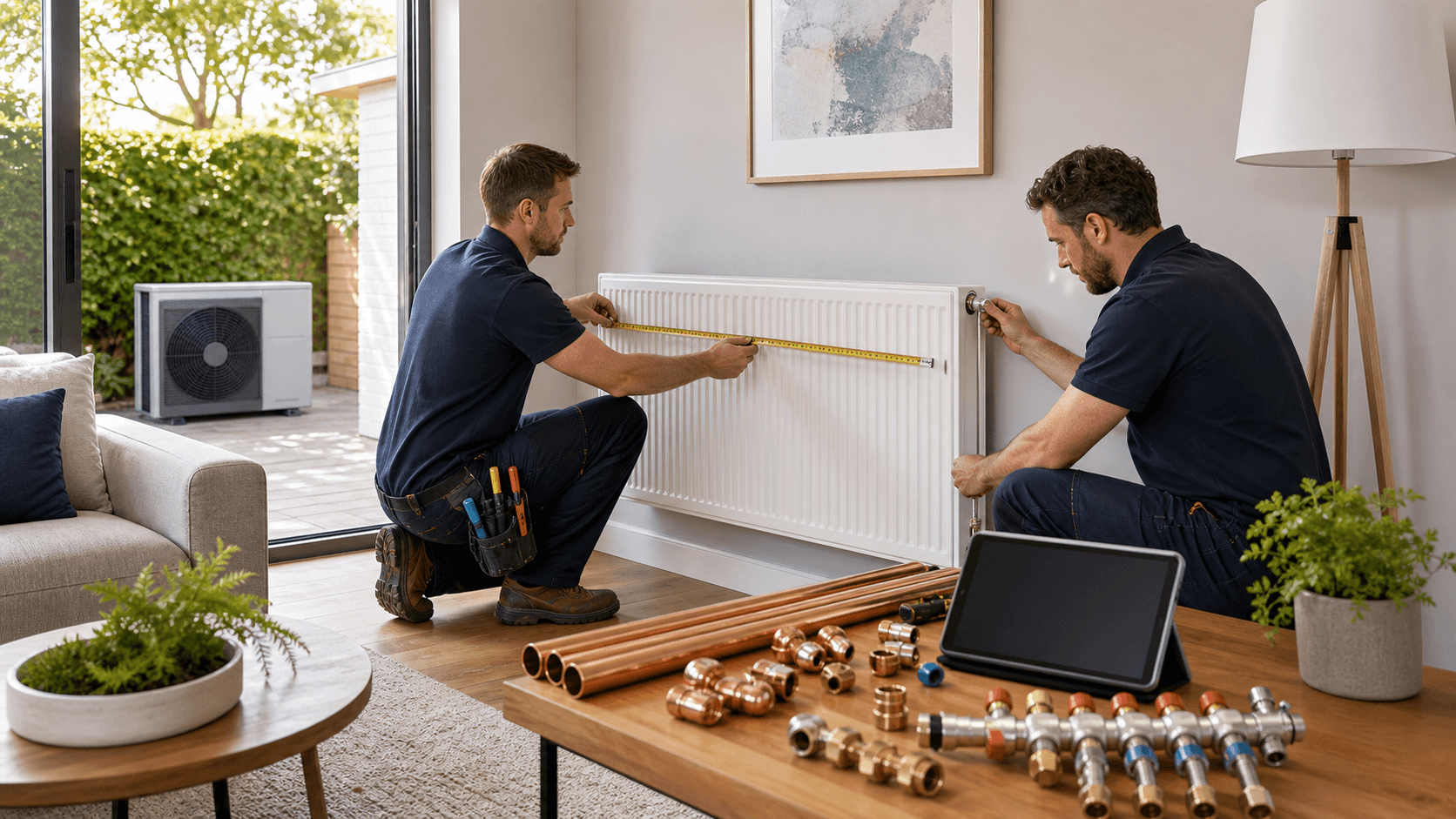
Upgrading your radiators for a future heat pump is one of the smartest things you can plan during summer renovations. While you are already thinking about walls, floors, and layouts, it makes sense to think about how your home will be heated in the years ahead too.
This guide explains why summer is such a good time to plan a heat pump radiator upgrade, how heat pumps change what your radiators need to do, and what to think about when choosing new emitters. We will also look at how good design, controls and simple home improvements work together so you can enjoy warm, even, low-carbon comfort when the weather turns cold.
Upgrade Your Radiators Now to Enjoy Cozy Winter Comfort
Summer is when many homeowners plan bigger projects like new kitchens, fresh layouts or updated bathrooms. It is also the perfect time to plan a heat pump radiator upgrade so your heating system is ready before the first cold snap.
When heating work is tied into wider renovations, you can often:
- Open up floors and walls only once
- Tidy pipework while other trades are already on site
- Repaint and redecorate after the heating upgrade is complete
That means less mess, fewer delays and a smoother finish. Instead of rushing heating work in autumn, you can move at a steady pace in warm weather, knowing your radiators and future heat pump will be ready when you first turn the system on.
Why Summer Is the Smart Time to Plan Your Upgrade
Heating work is always easier when you are not relying on your radiators to stay warm. Summer gives you breathing space that is hard to find later in the year.
Here is why planning now makes sense:
- No heating downtime worries, because your system is not needed daily
- More flexible dates with installers and other trades
- Time to think through details, instead of making quick decisions in the cold
Coordinating with other work is a big win. Plumbing, electrical changes, new insulation and decorating can all be lined up so the same area is not disturbed twice. For example, if you are redoing a living room, you can:
- Upgrade the radiator
- Adjust pipe routes inside walls
- Improve wall insulation
- Make good plaster and paint once at the end
Summer also gives you space to look into any funding that might support a heat pump project in the future, arrange a survey and agree a design before installers face their busy season.
How Heat Pumps Change Your Radiator Requirements
Heat pumps work best with lower water temperatures than a typical gas boiler. Instead of very hot water rushing through small radiators, a heat pump usually runs with cooler water, gently topping up warmth over longer periods.
Lower flow temperatures mean:
- Radiators often need more surface area
- Rooms may need one larger radiator instead of several small ones
- Good placement becomes more important so heat spreads evenly
You might notice your current radiators are undersized if:
- Some rooms never feel warm, even when the heating is on for hours
- There are big temperature differences between rooms
- You rely on portable heaters to boost certain spaces
In many homes, not every room needs a full upgrade. Sometimes key living areas and the coldest rooms need bigger radiators, while smaller, well-insulated rooms can keep their existing ones. When radiators are properly matched to a lower temperature system, you get more even, gentle heat, fewer chilly corners and the system does not have to work as hard, which supports lower running costs and lower-carbon comfort over time.
Choosing the Right Radiators for a Heat Pump System
Good radiator design starts with working out how much heat each room needs. That usually means a heat loss calculation that looks at:
- Room size and shape
- Wall, floor and roof insulation
- Window type and area
- How the room is used day to day
From there, each room gets a target heat output, usually shown in watts. With a heat pump, it is often better to go for a larger radiator working at a lower temperature, especially in main living spaces. Bigger emitters can deliver the same comfort with cooler water, which suits a heat pump well.
There are several emitter options:
- Modern steel panel radiators that look neat and work well at lower temperatures
- Low temperature radiators that are deeper, with more panels or fins for extra output
- Underfloor heating for spaces where you are already lifting floors
- Fan-assisted convectors that give a lot of heat from a compact unit
Style matters too. Vertical radiators can help where wall space is tight, and towel rails can keep bathrooms warm while drying towels. When planning, it is worth thinking about possible future upgrades like better insulation or an extension, so the radiator plan can adapt rather than needing to be ripped out again.
Designing the System Around Your Home and Lifestyle
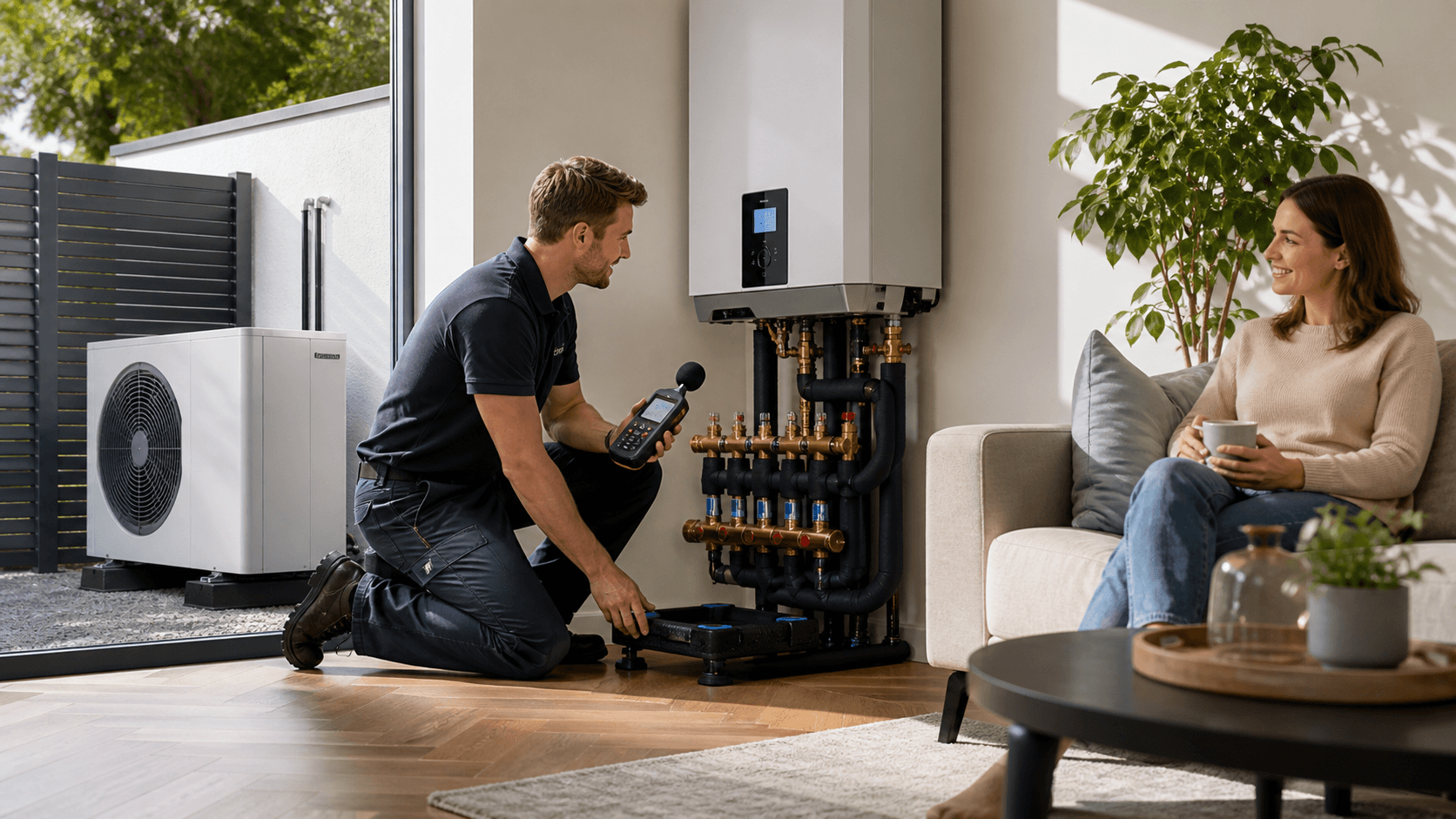
The best heat pump and radiator systems are designed around how you actually live. A room-by-room survey looks at insulation, glazing, outside walls and how spaces are used, rather than applying one rule to the whole house.
A thoughtful design will often include:
- Different heating zones, for example living areas and bedrooms on separate controls
- Smart thermostats or programmers that follow your daily routine
- Weather-compensated controls that gently adjust water temperature to outside conditions
Good controls help keep temperatures stable, avoid big swings and cut wasted energy. Many people like being able to set lower background heat in little-used rooms and warmer settings where they spend most of their time.
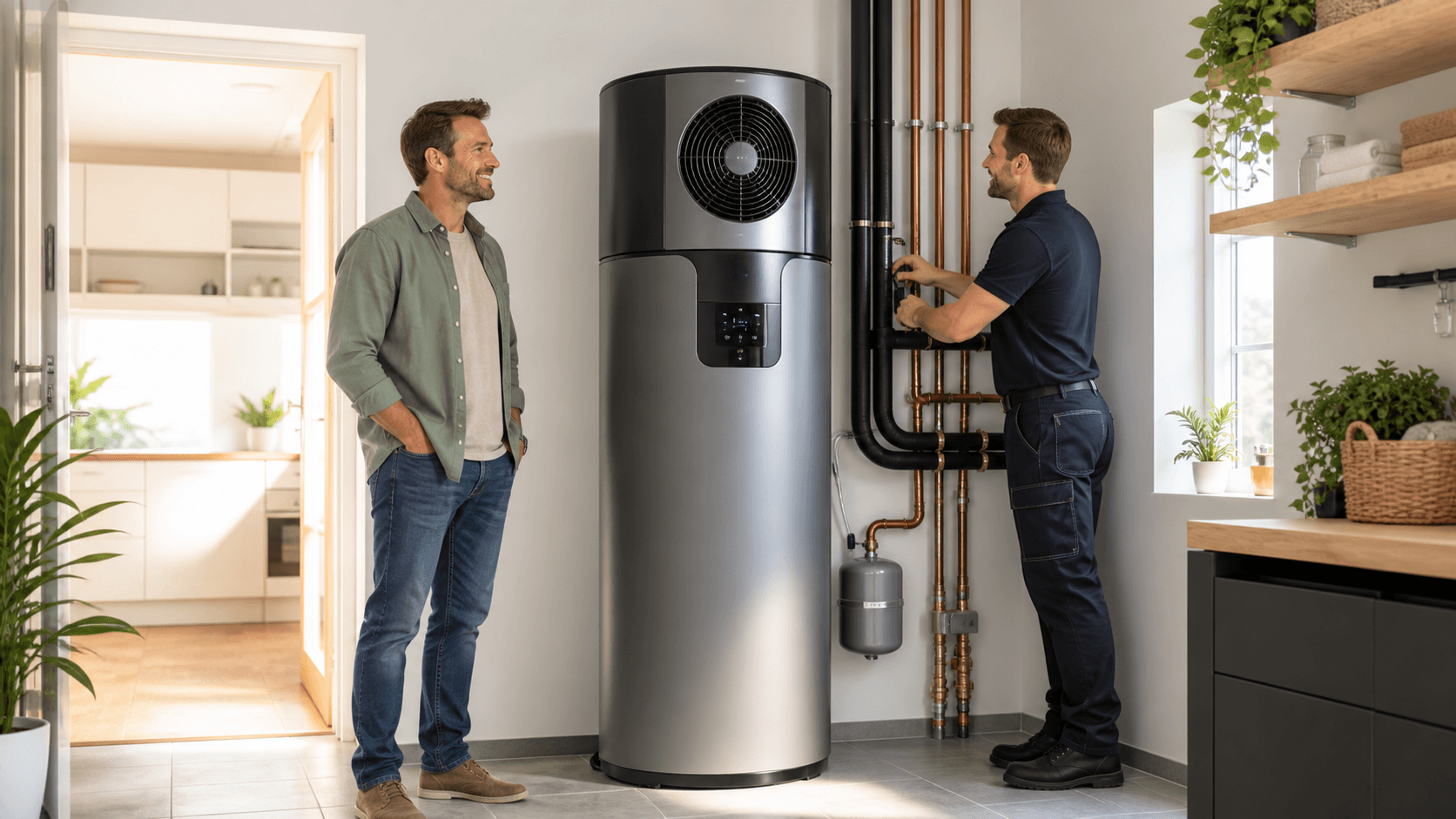
Hot water planning is another key piece. A heat pump usually works with a hot water cylinder, which needs a suitable location such as:
- An existing airing cupboard that can be adapted
- A utility room that can take a cylinder and new pipework
- A loft or other space, where structural and access details allow
Thinking about this while you are already planning storage, fitted furniture or layout changes makes it easier to find a neat solution.
Getting Your Home Heat Pump Ready This Summer
A heat pump radiator upgrade works best alongside general improvements to the building. Simple steps can make a big difference to comfort and future running costs. These might include:
- Topping up loft insulation
- Adding cavity wall insulation where possible
- Draught-proofing around doors, windows and floorboards
- Upgrading older single glazing to better performing units
Summer is a practical time to do this kind of work, because areas can be left open to dry and you are less likely to feel the impact if temporary gaps appear while tradespeople are working.
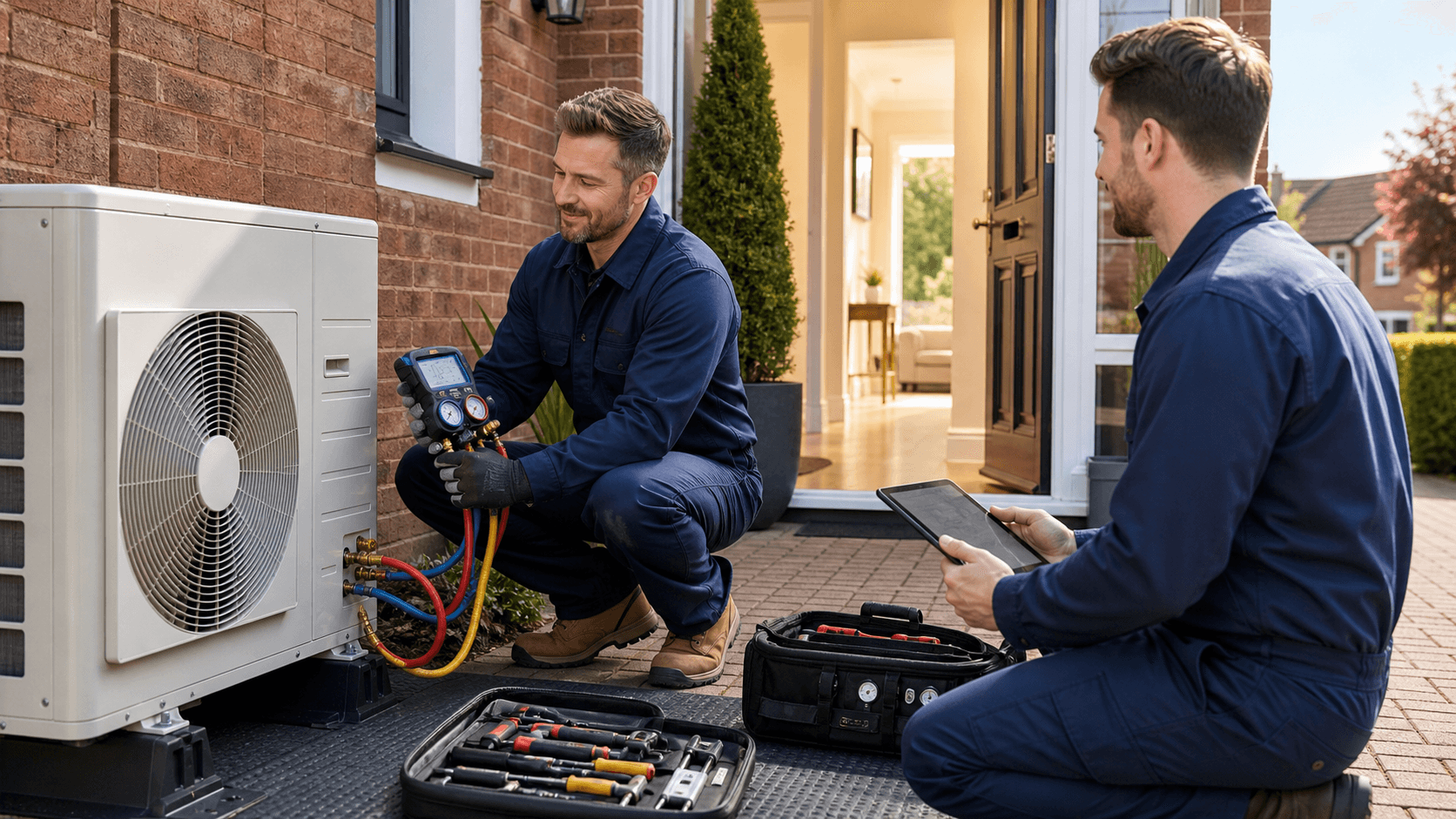
When it comes to the heating system itself, working with an accredited installer helps you get proper design paperwork, suitable equipment, clear warranties and aftercare. You should expect:
- A detailed survey, not just a quick radiator swap
- Clear drawings or notes showing radiator sizes and locations
- An explanation of how to run the system for best comfort and efficiency
A typical summer-to-autumn path runs from an initial advice chat, to a detailed home visit and design, to installation and commissioning. By the time cooler weather arrives, your upgraded radiators and future-ready heating system can be set up, tested and gently fine-tuned so it feels natural and easy to use.
Get Started With Your Project Today
If you are ready to make your home more efficient and comfortable, we can guide you through every step of your heat pump radiator upgrade. Our team at Eaasy Heat will assess your property, recommend the right solution and manage a smooth installation with minimal disruption. To discuss your options or request a tailored quote, simply contact us and we will be in touch promptly.