Plan Your Solar Panel Installation for Winter Energy Use
Solar panels can still make a useful contribution during the shorter days of autumn and winter, even though generation is lower than in brighter months. The key is designing a system that suits your roof, household routine and electricity use throughout the year.
For many West Midlands households, a solar panel installation starts with understanding how much electricity the property uses, when that demand occurs and how much suitable roof space is available. Batteries and export tariffs can add value after installation, but the panels, inverter and overall system design remain the foundation of long-term savings.
How Solar Panel Installation Creates Value
Solar panels generate electricity during daylight hours for use in your home. A well-planned system can reduce the amount of power you need to buy from the grid, particularly when appliances, heating controls and everyday household demand match solar generation.
System design matters because no two homes use energy in exactly the same way. Roof orientation, shading, panel capacity, daytime occupancy, electricity tariff and future plans can all affect the size and layout that best suits the property.
A solar panel installation can create value in several ways:
- Panels can reduce the amount of electricity you buy from the grid.
- A suitable system size can match expected household electricity use.
- Export payments can provide income for electricity you do not need.
- A battery can store some surplus solar power for use later in the day.
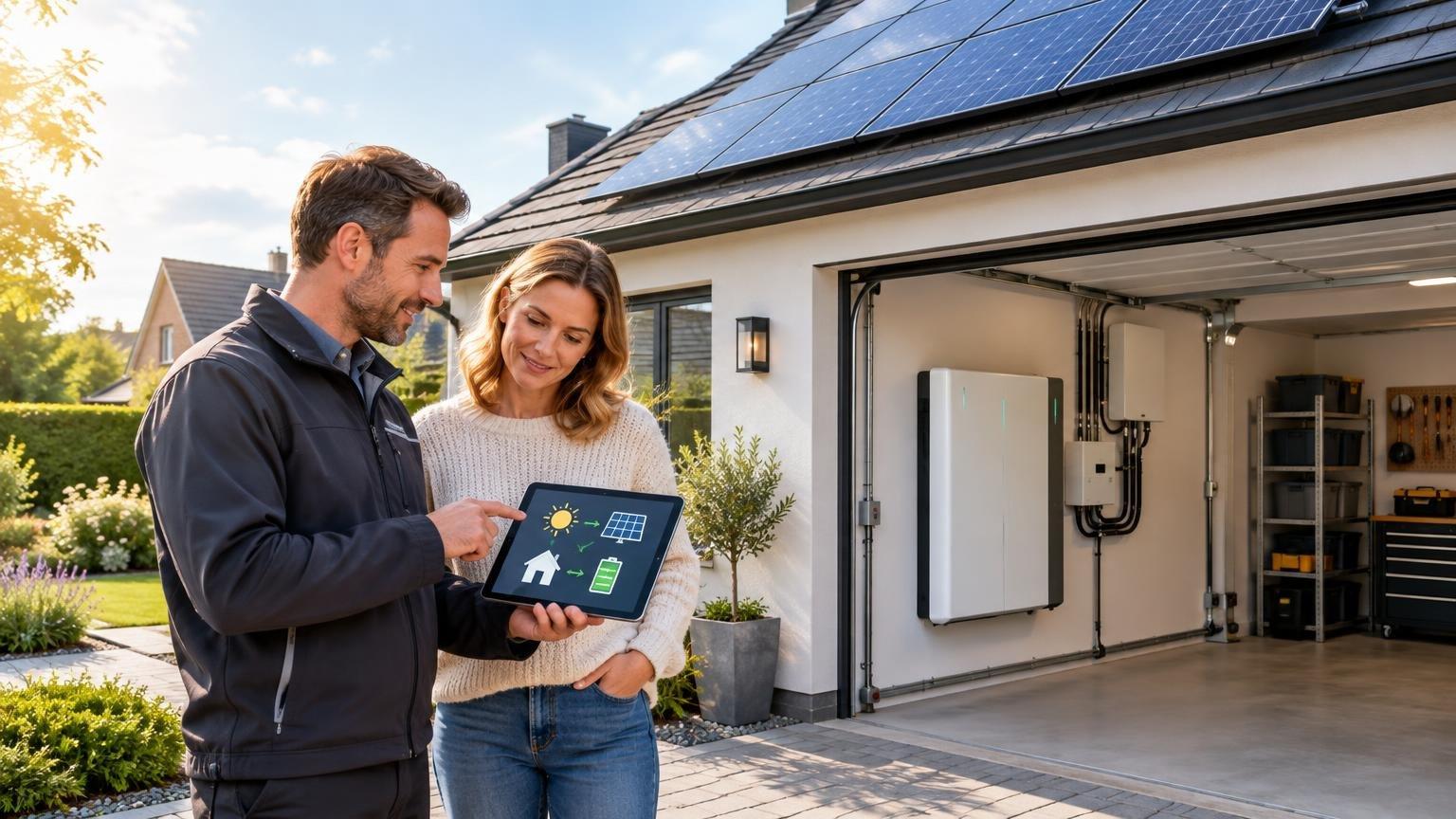
When discussing solar panel installation in Wolverhampton, we start by looking at the property itself. If your roof receives good levels of sunlight and your household has regular electricity demand, solar panels may offer a practical way to make more of the energy generated at home.
Designing Solar Panels Around Your Home
Solar panel installation often makes the most sense when it is tailored to the way a household uses electricity. Families who are home during sunny hours may use more generated power directly, while those who are out during the day may export more electricity or consider storage for evening use.
During autumn and winter, every unit of self-generated electricity can feel more valuable. Although panels produce less than they do in summer, they can still support daytime appliances, lighting, heating controls and other regular demands.
The size of the solar array matters just as much as the decision to install one. A system that is too small may not make the most of available roof space or household demand. One that is much larger than expected use may generate more surplus, making export tariffs or battery storage more relevant. That is why we base recommendations on roof surveys, expected panel output and real household patterns.
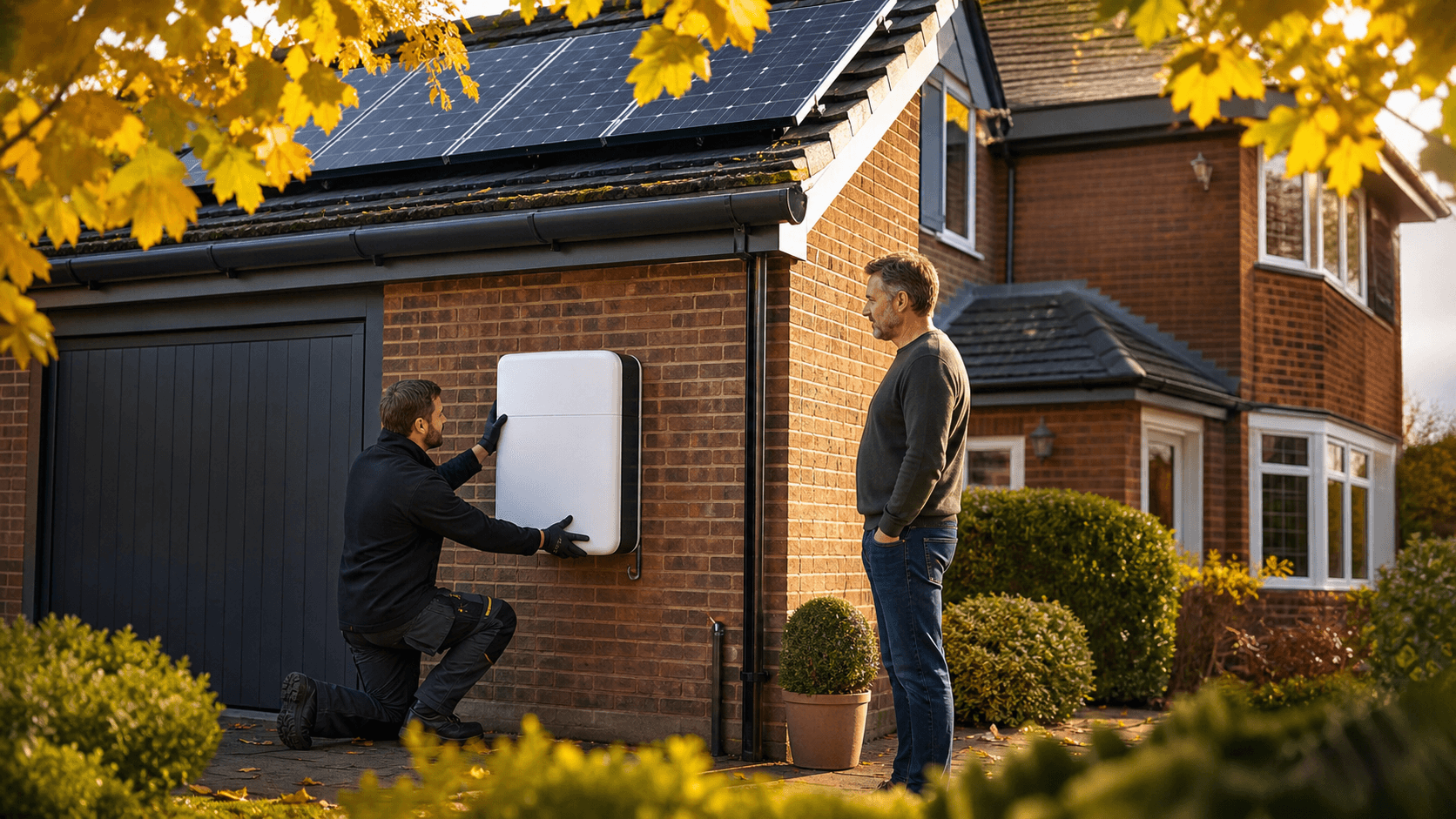
For solar panel installation in Wolverhampton, a professional survey helps us plan a system that works as one setup. We consider roof direction, shading, available space, likely generation and whether future battery storage could be a useful addition.
Where Batteries and Export Tariffs Fit In
Battery storage and export tariffs are secondary decisions that can be considered once the solar panel system has been designed. A well-planned installation can reduce grid reliance without a battery, while allowing unused electricity to be exported.
Brighter spring and summer days can produce more surplus power, particularly when household use is low. In that situation, an export tariff gives you a way to receive payment for electricity that would otherwise go unused at home.
Before choosing a tariff or battery, it helps to consider:
- How much electricity your panels are likely to generate.
- Whether a smart meter is required for export payments.
- Your usual daytime and evening electricity use.
- Whether future changes to your household may affect demand.
Panels can also be installed first, with a battery considered later. This approach gives you time to see how much electricity you generate, export and import across changing seasons. If your habits change, or storing energy becomes more useful, a battery may become a suitable addition in the future.
Choose a Solar Design That Fits Your Home
The most useful starting point is not simply battery versus export tariff. We encourage you to look at the whole solar panel installation: roof orientation, shading, available roof space, annual electricity use and the times of day your household needs power.
A larger panel array may create more opportunities to reduce grid imports and export surplus electricity. A battery may increase the share of solar power used within the home. Neither should determine the installation on its own, because the right system depends on how your home behaves from morning through to night.
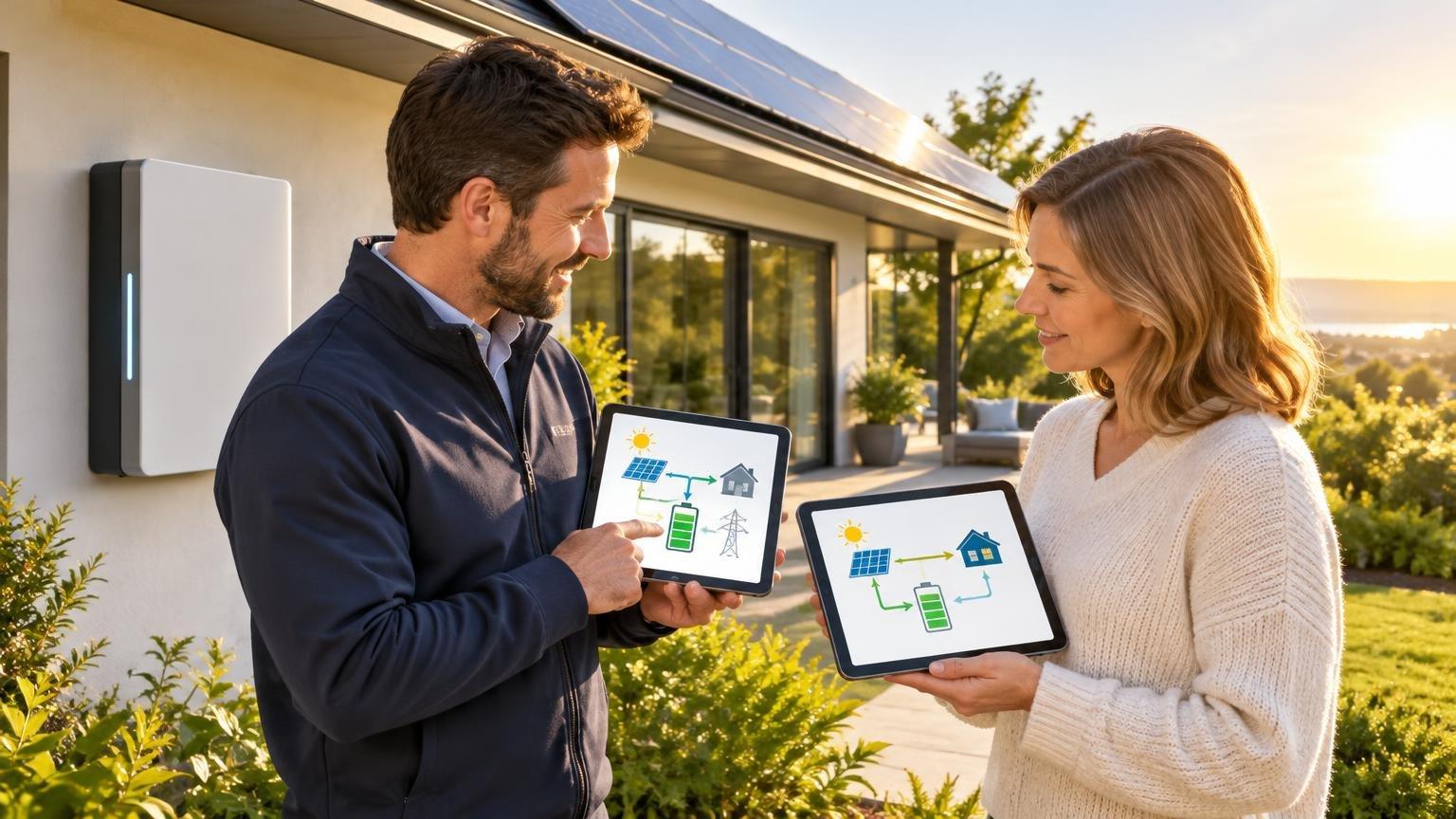
Half-hourly smart meter data can be especially helpful here. It shows when electricity is being used, making it easier for us to compare your demand with likely solar generation. A household with high daytime use may benefit from using more solar power directly, while one with regular evening demand may later place more value on storage.
Anyone considering solar panel installation in Wolverhampton should ask for realistic performance estimates and clear explanations of how the proposed equipment will work together. A tailored design is more useful than choosing panel numbers, battery capacity or a tariff based on a general rule.
Plan Your Solar Upgrade Before Energy Use Peaks
Autumn is a practical time to review your energy use before winter routines raise demand further. A professional solar survey can show what your roof may support, how much electricity you are likely to generate and how the system could fit your priorities.
Solar panels remain the starting point for long-term energy savings. Batteries and export tariffs are simply two different ways to make more of the electricity your system produces, while a well-designed installation provides the basis for reliable generation in the years ahead.
Make Your Solar Generation Work Harder
At Eaasy Heat, we can assess your home's energy use and help you choose a system that supports your long-term plans. Find out whether battery storage installation in Wolverhampton is the right addition to your solar setup. For tailored advice and a clear quotation, contact us today.