Why Heat Pumps Make Sense for West Midlands Homes
Switching from gas or oil to an air source heat pump can feel like a big decision, especially when you are trying to understand what it will cost. For many homes across Birmingham, Coventry, Wolverhampton, Dudley, Sandwell, Solihull, Walsall and the wider West Midlands, a well-designed heat pump system can offer lower-carbon heating, stable comfort and the potential for long-term bill savings. The key is to weigh the upfront price against the running costs and pick a system that is properly matched to your home.
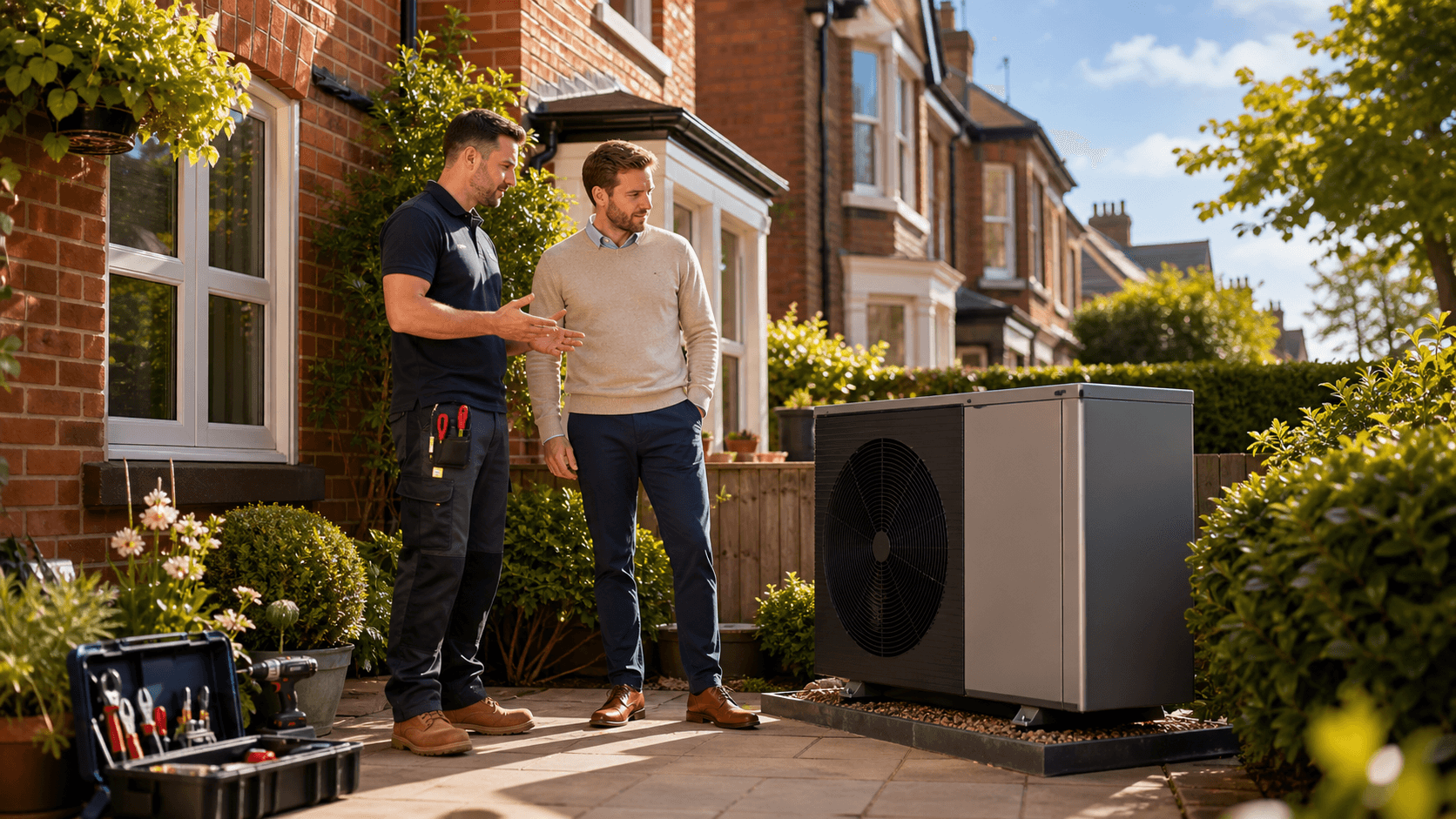
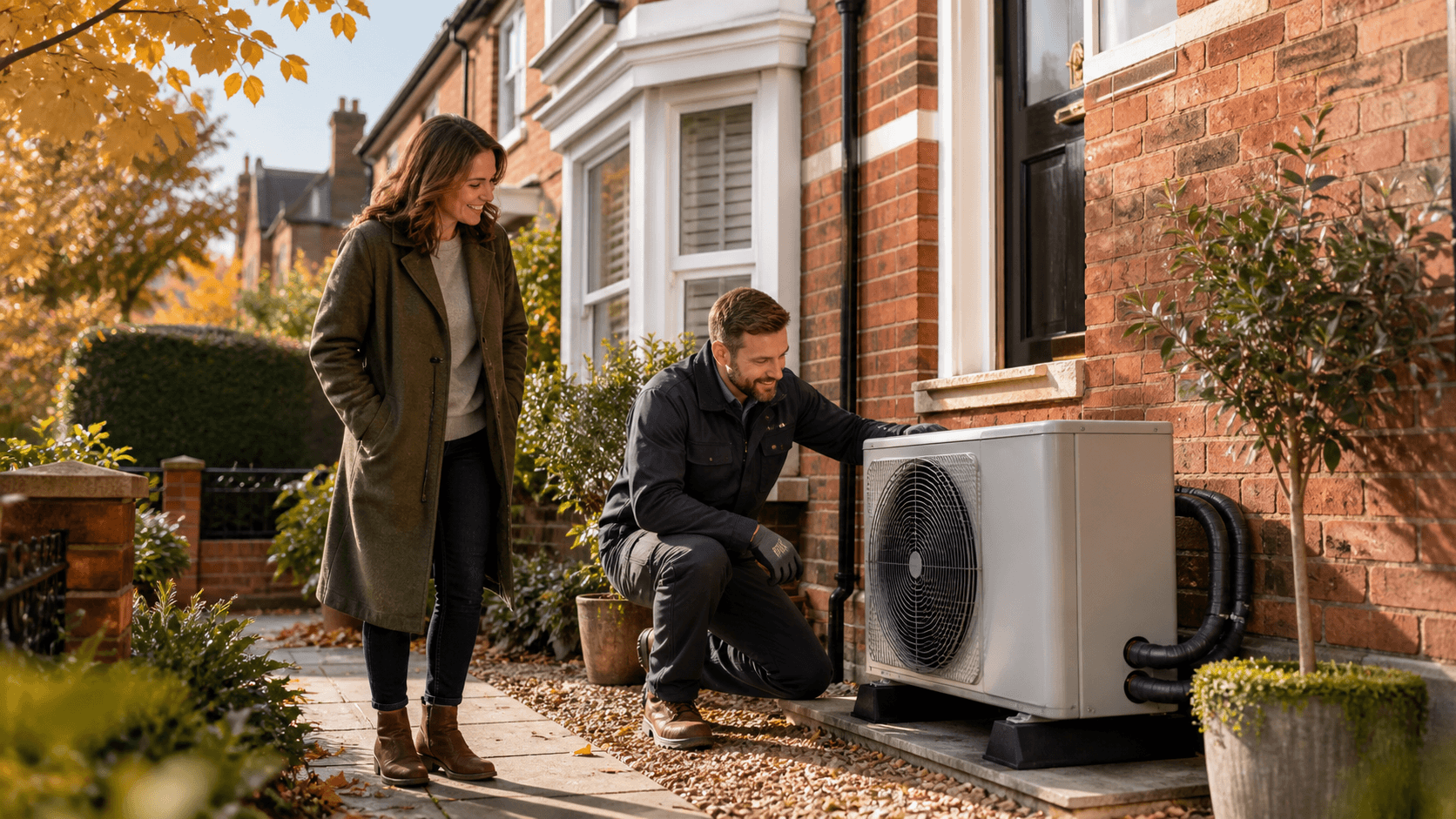
An air source heat pump works a bit like a fridge in reverse, taking heat from the outside air and upgrading it to warm your radiators and hot water. Because it moves heat rather than creating it by burning fuel, it can use electricity very efficiently. That suits typical West Midlands properties, from Birmingham terraces and 3-bed semis in Solihull or Walsall, to detached homes on the outskirts of Coventry or rural oil-heated homes around Wolverhampton and Dudley.
At Eaasy Heat, we focus on making that switch simple. We design and install low-carbon heating systems, guide you through grants and funding, and support you with clear aftercare plans. Our aim is to help you understand the real heat pump cost in Birmingham and across the region, so you can make a confident, informed choice.
What Affects Heat Pump Cost in the West Midlands
Heat pump pricing is not one-size-fits-all. The total cost depends on your property and on how much of your existing heating system needs upgrading.
Key price drivers include:
- Property size and layout, including number of floors and rooms
- Insulation levels in walls, loft and floors
- Number and size of radiators or underfloor heating zones
- Hot water cylinder requirements
- Condition of existing pipework, controls and electrics
A compact flat in central Birmingham or Coventry with good insulation might need a smaller heat pump and fewer radiator upgrades. A larger semi in Wolverhampton or Walsall, with older radiators and a small hot water cylinder, will generally need more work. Detached homes in Solihull, Dudley or Sandwell, and rural properties that used to run on oil, often benefit from bigger cylinders and more extensive radiator changes.
It is also important to separate the basic installation price from the full system upgrade cost. A basic installation might include the heat pump unit, standard controls and a cylinder. A full upgrade could also cover:
- Replacing undersized radiators
- Adding or replacing pipework for better flow
- Fitting smarter controls and room thermostats
- Electrical upgrades and any necessary remedial work
When you compare the heat pump cost in Birmingham with quotes from other parts of the West Midlands, differences often come down to these details, as well as access, parking and the practicalities of working in city terraces compared with suburban or rural homes.
Typical Price Ranges and Running Costs Explained
We are often asked for a simple price, but the honest answer is that realistic ranges work better than a single figure. For typical West Midlands homes, you can expect something like this as a broad guide, assuming a quality system and MCS-standard design:
- Smaller flats or compact terraces, usually the lowest end of the range
- Average 3-bed semis in places like Birmingham, Coventry, Solihull or Walsall sitting in the middle
- Larger or extended detached homes around Wolverhampton, Dudley or Sandwell towards the higher end
The total depends heavily on how much of the system needs upgrading. Two homes on the same street can end up with different prices if one has good insulation and modern radiators, while the other needs significant improvements.
Running costs are just as important as the upfront spend. Heat pumps run on electricity, so your tariff, the efficiency of the system and how you use your heating all matter. With a well-designed system, smart controls and sensible flow temperatures, many households can see running costs that are competitive with gas and often an improvement on oil. Poorly set systems, or very high flow temperatures, can push bills up, which is why good design is so important.
You will also see a wide spread of quotes for heat pump cost in Birmingham from different installers. While nobody wants to overpay, a quote that looks wildly cheap compared with others can be a warning sign that corners are being cut on design, components, or aftercare. Heating your home is a long-term commitment, so it is worth focusing on value and reliability rather than headline price alone.
Grants, Incentives and Help with Upfront Costs
Government grants can make a very noticeable dent in your upfront cost, and they are available across Birmingham, Coventry, Wolverhampton, Dudley, Sandwell, Solihull, Walsall and surrounding West Midlands areas. These schemes change from time to time, but the general idea is that they provide a fixed contribution towards a qualifying heat pump installation in an existing home.
Eligibility often depends on:
- Owning the property, or having the right to improve it
- Replacing an existing fossil fuel boiler or direct electric heating
- Having a reasonably up-to-date EPC, usually with no major outstanding insulation recommendations, or being willing to improve insulation
- Using an MCS certified installer and product
The grant value is taken off your quote, so it directly reduces the total heat pump cost in Birmingham and other local areas. In some cases there may be additional support for households on certain benefits or with lower incomes, though these have their own rules and application routes.
At Eaasy Heat, we guide customers through the grant process, explaining which options fit their situation, what paperwork is needed and how the funding affects their final price. It is one of the main ways we try to make the move to low-carbon heating less stressful and more predictable.
Why MCS Registration and Quality Installation Matter
MCS registration is a quality standard for low-carbon technologies like heat pumps. In practice, it means both the products and the installer meet specific design and installation requirements. For most government grants you must use an MCS registered installer, and the system has to be commissioned in line with MCS rules.
This protects you in several ways. It requires proper heat loss calculations for your home, correct sizing of the heat pump and cylinder, and clear documentation at handover. A system that is accurately sized and set up will generally:
- Run more efficiently and keep bills under control
- Provide steady, comfortable heat rather than big temperature swings
- Put less strain on the equipment, supporting long-term reliability
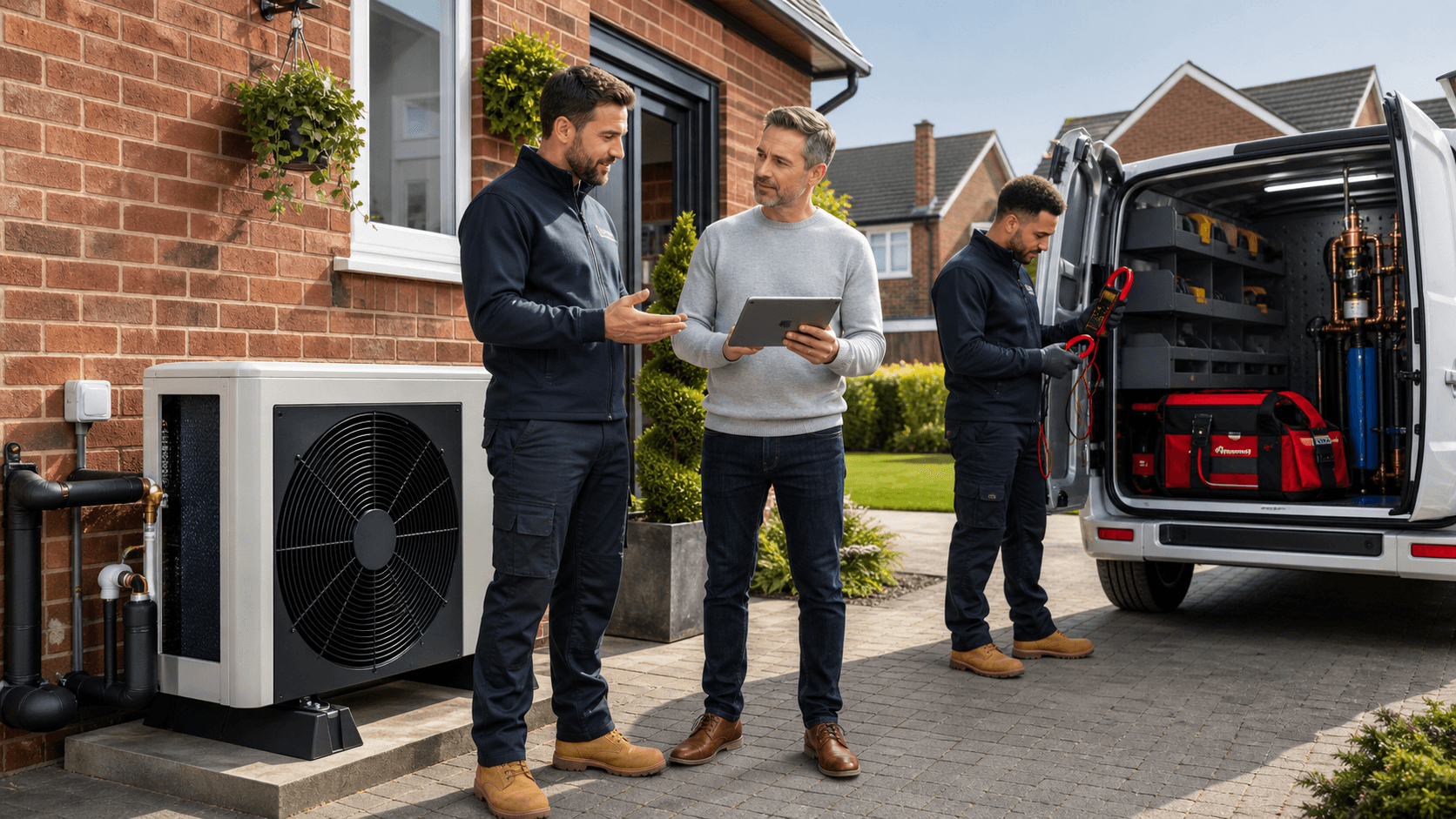
Eaasy Heat is MCS registered and focused on good design as well as neat installation. We have built a strong local reputation with highly rated reviews, and we back that up with clear aftercare plans so you know who to turn to for servicing and support in future.
Local Cost Tips for Every West Midlands Area
There are practical steps you can take, wherever you are in the West Midlands, to keep both the required system size and the overall cost under control.
Simple improvements like:
- Topping up loft insulation
- Adding cavity wall insulation where suitable
- Draught-proofing around doors, windows and floorboards
- Checking radiator valves and bleeding radiators regularly
can all help your home hold onto heat better. The more heat you keep in, the smaller the heat pump can be, and the less energy it needs to run. That is just as relevant in Birmingham terraces and Sandwell semis as it is in larger Solihull or Wolverhampton detached homes.
When comparing quotes between installers in Birmingham, Coventry, Dudley, Walsall or surrounding areas, it is worth checking:
- Are they MCS registered, so you can access grants and have quality assurance?
- Does the quote clearly separate the heat pump, cylinder, radiators, controls and any electrical work?
- What warranty is offered on the heat pump, labour and controls?
- Is servicing or an aftercare plan available, and what does it cover?
By asking the same questions of each installer, you can compare like-for-like rather than just looking at the final price. That makes it easier to see which quote reflects a carefully designed system, and which one may be missing key components.
Take the Next Step with Confidence
Understanding how heat pump cost in Birmingham and the rest of the West Midlands is built up helps you avoid surprises. When you know what affects price, what support is available, and why MCS registration matters, it becomes much easier to judge quotes fairly and plan your budget.
At Eaasy Heat, we put a lot of effort into clear surveys, honest explanations and transparent pricing, along with ongoing support through servicing and aftercare. Heat pumps are a long-term investment in your home, and with the right design, installation and maintenance, they can provide comfortable, low-carbon heating for many years across Birmingham, Coventry, Wolverhampton, Dudley, Sandwell, Solihull, Walsall and beyond.
Get Started With Your Project Today
If you are weighing up your options and want a clearer idea of heat pump cost in Birmingham, we can walk you through the figures step by step. At Eaasy Heat, we take the time to understand your home, usage and budget so you only pay for what you genuinely need. Share a few details about your property and we will provide straightforward guidance and a tailored quote. If you are ready to move things forward, simply contact us and we will arrange the next steps at a time that suits you.