Secure a Roof That Supports Long-Term Solar Savings
A successful solar project begins before any panels reach your roof. For solar panel installation in Birmingham, we start by checking that your roof can support the system safely and continue protecting your home for years to come.
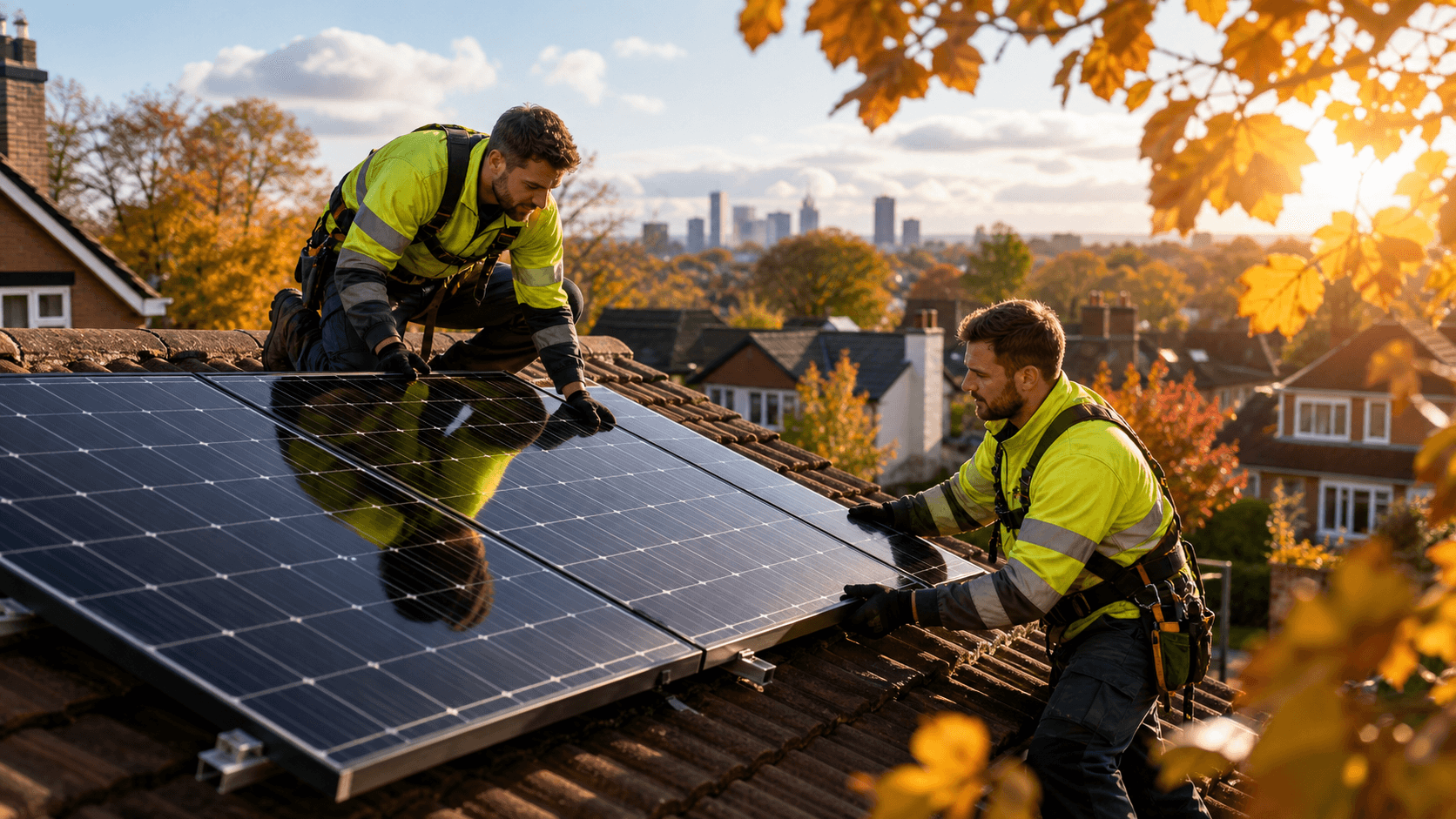
Panels are made to stay in place for decades, so the roof beneath them needs to be sound and well maintained. A professional survey helps us spot concerns early, protect your investment and reduce the chance of disruptive alterations later. Autumn is also a useful time for checks, as rainfall and lower sun angles can expose leaks, wear and shading that may be less obvious in summer.
Check Structural Strength Before Solar Installation
Every property needs its own assessment, even though modern solar panels and mounting equipment are relatively lightweight. We inspect the roof structure to understand whether the rafters, trusses and supporting timbers can safely carry the completed array, as well as temporary loads during installation.
Particular attention is given to older roofs, properties with past extensions or loft alterations, and roofs that show signs of sagging. These do not automatically rule out solar, but they may mean further inspection is sensible before work begins.
During a survey, we consider:
- The condition of rafters, trusses and supporting timbers
- The roof's age, construction and any previous alterations
- Signs of movement, sagging or water damage
- Whether repairs or reinforcement should happen first
Where remedial work is needed, we explain why before fitting a system. Addressing structural concerns early can prevent the far greater disruption of removing panels later for major roof work.
Repair Roof Defects Before Panels Are Fitted
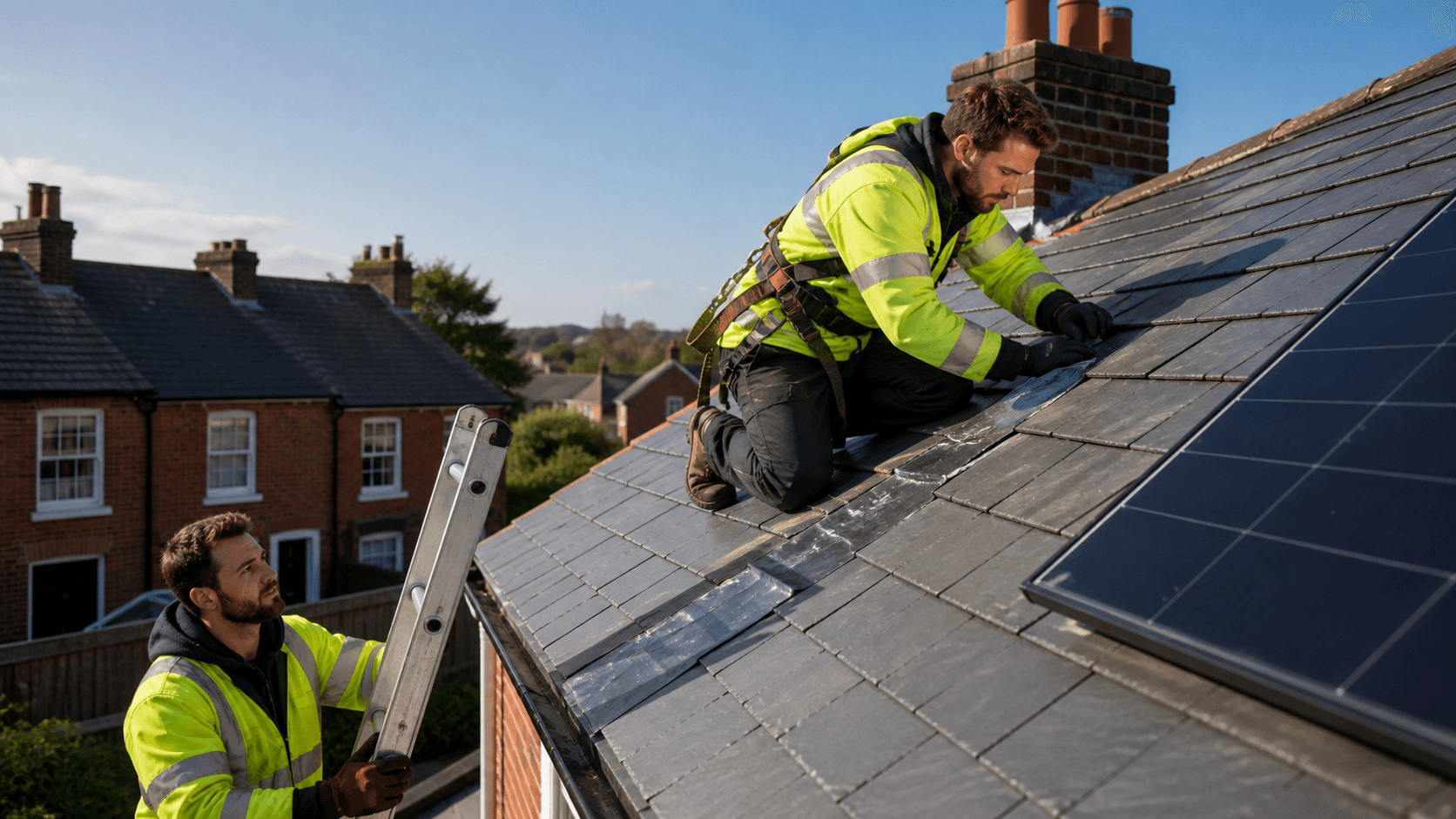
Solar panels are not a fix for an ageing or damaged roof. While they can shield part of the roof from direct weather, they cannot repair cracked tiles, failed underlay, leaking flashing or water already entering the roof space.
Before installation, we look for issues such as slipped or broken tiles, loose ridge tiles, damaged flashing, worn coverings, leaks and heavy moss growth. Small defects can become larger problems during wet West Midlands winters, particularly where water can work its way beneath tiles or around roof details.
Completing repairs first gives you a stronger base for your solar system. If substantial roofing work is required after panels are installed, the array may need to be safely removed and refitted. That adds extra labour and interruption that may have been avoidable. Ask us for a clear explanation of any remedial work identified, so you understand what needs attention and why.
Measure Sunlight, Shading and Roof Space
A suitable solar design is about more than pointing panels south. Roof direction, pitch and clear space all affect where panels can sit and how they may perform. South-facing roofs can be very productive, while east and west-facing roofs can also work well for homes that use electricity at different times of day.
We assess the whole roof rather than relying on an online image. Chimney stacks, dormers, nearby trees, neighbouring buildings and overhead structures can all cast shade. Even partial shade may affect output, so understanding the pattern matters.
Our survey considers:
- Available roof space and practical panel placement
- Roof direction and pitch
- Shadows from features on or around the property
- Seasonal changes in sun position
- Suitable options where shade cannot be avoided
In October, the lower sun creates longer shadows, making some shading issues easier to see. We can use those findings to plan an array layout around the conditions at your home.
Plan Access, Electrics and Permissions Before Installation
Safe access helps the installation run smoothly and keeps the property protected while work is carried out. We review where scaffolding may be needed, whether there is suitable driveway or garden access, and how equipment can be moved safely to the work area.
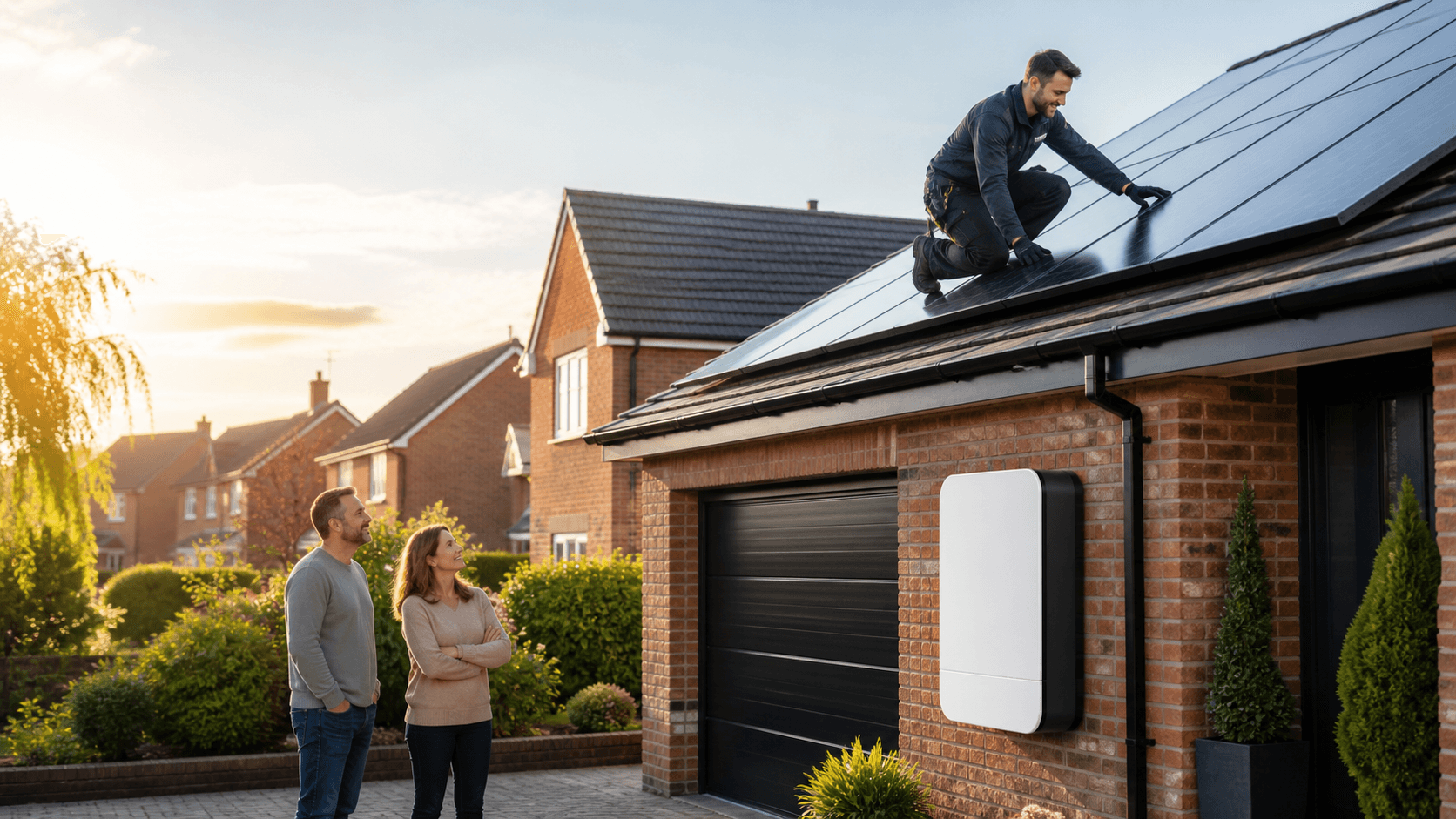
Electrical planning is just as important. Before solar panel installation in Birmingham, we review the consumer unit, possible cable routes, meter arrangements and suitable locations for equipment such as an inverter or battery storage system. You should receive a clear explanation of the electrical work involved and how the system will connect with your home.
Permissions may also need consideration. Many domestic installations can fall within permitted development rights, but listed buildings, conservation areas and homes with particular restrictions can require additional checks. Understanding this early helps avoid unexpected delays and gives you a clearer plan before installation begins.
Roof Surveys Before Winter
Roof readiness supports a safe, durable and productive solar installation. By checking structural strength, roof condition, shading, access and electrical requirements before work starts, we can design a system around your home and energy use.
For households across Birmingham and the wider West Midlands, an autumn survey can highlight weather-related defects and longer shadow patterns before winter sets in. Taking time to resolve any issues first helps keep your roof and solar system working well together for the long term.
Plan Your Solar Installation With Confidence
At Eaasy Heat, we assess your property's requirements and help you prepare for solar panel installation in Birmingham. Our team can discuss suitable system options, expected performance and the next steps for your home. Contact us to arrange a consultation with our experienced installers.