Make More of Every Unit Your Solar Panels Generate
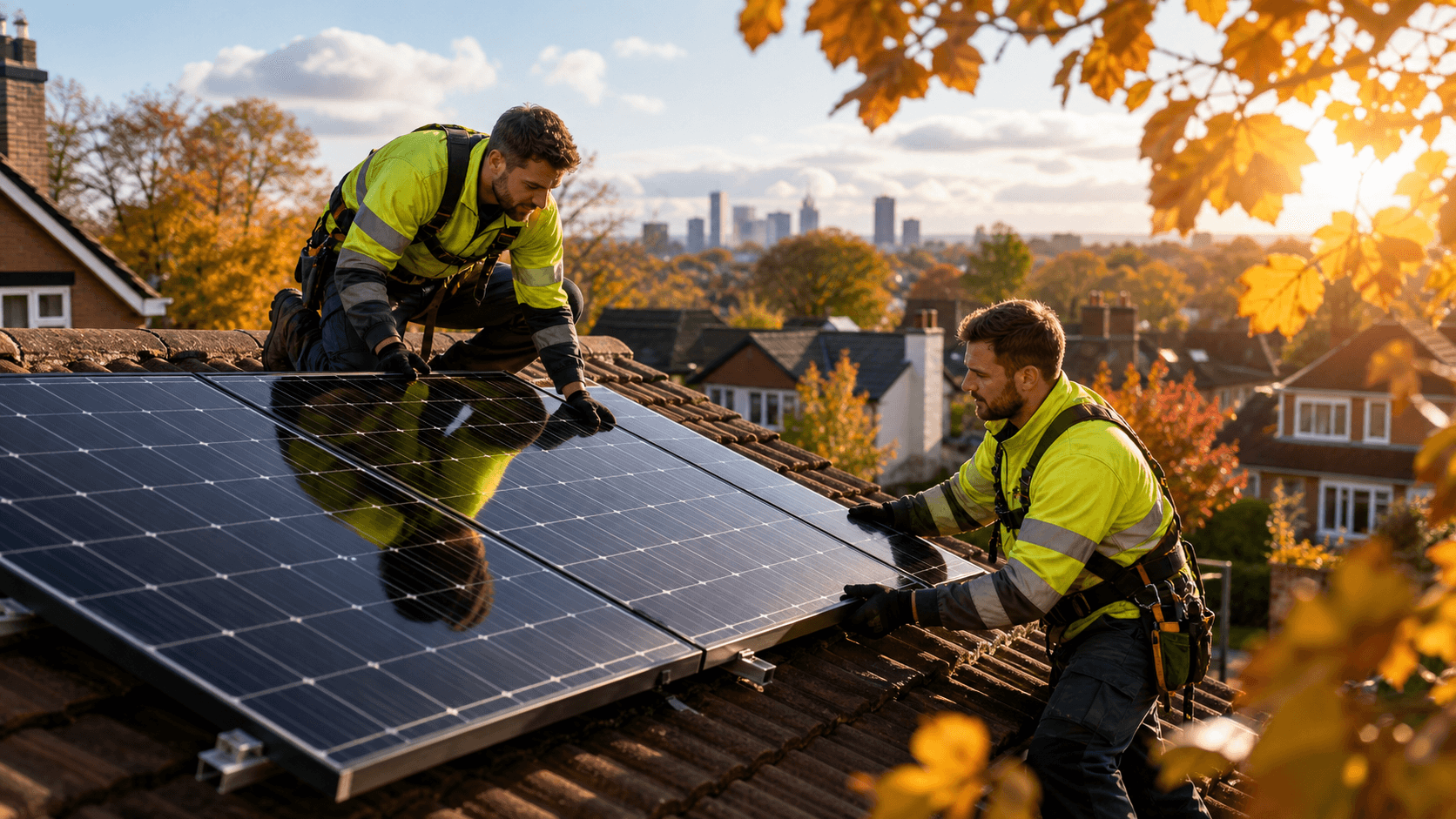
A well-planned solar panel installation can help you generate more of your own electricity and reduce how much power you need to buy from the grid. Panels usually produce most electricity during daylight hours, making roof design, placement and household energy use important from the start.
At Eaasy Heat, we help Wolverhampton households consider how solar panel installation in Wolverhampton can suit their property, current electricity use and future plans. The right system should be designed around the home, rather than relying on a standard panel layout.
Every property is different. Roof space, direction, shading, electricity demand, budget and future changes to the home can all affect the size and performance of a solar array.
How Solar Panels Shape Battery Value
A well-designed solar panel installation is the starting point for any home energy system. If your panels generate more electricity than your home uses during the day, you may choose to export that surplus to the grid or consider storage for later use.
Before planning an installation, we consider how the solar system fits the property and your likely needs. Roof space, direction, shading and yearly electricity use all matter. Future plans matter too, especially if you may add an electric vehicle or make changes to how you heat your home.
A solar array can be designed around factors such as:
- Available roof area and panel placement
- Roof orientation and any nearby shading
- Current daytime and evening electricity demand
- Expected changes in how your household uses energy
South-facing panels often produce strongly around the middle of the day. East and west-facing arrays can spread generation across more of the morning and afternoon instead. Neither approach is automatically better, as the most suitable layout depends on the roof and when your household is likely to use electricity.
Battery storage does not produce electricity. It can be considered after the solar panel system has been designed, allowing some of the energy your panels generate to be used later.
When Battery Storage Installation in Wolverhampton May Pay Off
Households that are empty for much of the day may generate solar electricity while demand is low, then use more power later for cooking, lighting, laundry and entertainment. This makes it especially important to size and position panels carefully so they generate as much useful electricity as possible across the year.
Solar panel installation should begin with a clear view of how much electricity the property uses and when that demand occurs. A suitably sized array can reduce grid imports during daylight hours, while exported electricity may still provide value when generation exceeds immediate use.
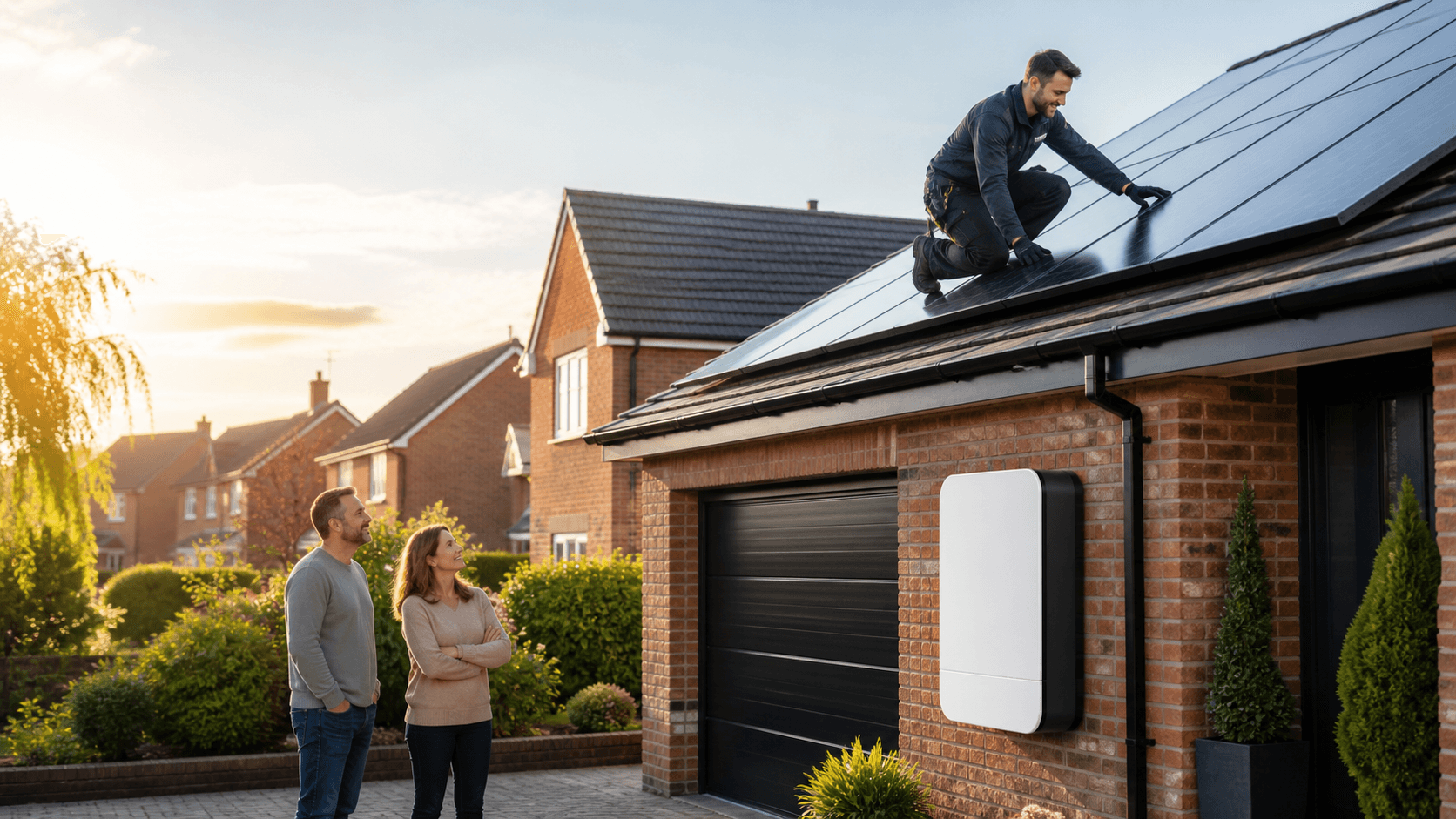
Some homeowners choose to include a battery as part of a wider solar project, particularly where there is regular surplus generation or higher evening demand. Whether storage is suitable depends on the solar array, tariff, budget and the way the home uses electricity.
It is worth considering the full picture rather than choosing panels on headline output alone. We recommend discussing:
- The available roof area and likely panel capacity
- Expected generation across different seasons
- How shading may affect individual panels
- Your likely daytime electricity use and export levels
The right solar panel system should support your wider energy goals, with any battery considered as an optional part of the overall design.
Autumn and Winter Change the Picture
As autumn settles in around Wolverhampton, daylight hours become shorter and solar generation naturally falls. Solar panels still produce electricity in cooler weather when there is daylight, but output is usually lower than it is during brighter spring and summer months.
Good solar panel design remains important all year. Suitable placement and limited shading help your system make the most of available daylight, even when skies are less predictable. Panel orientation, roof angle and clear access to sunlight all contribute to realistic year-round performance.
Seasonal changes are one reason why generation estimates should be based on a full year rather than a single sunny week or dark month. Summer may bring higher production and greater exports, while winter generation can still contribute towards daytime household electricity use.
Choose a System That Fits Your Home and Energy Goals
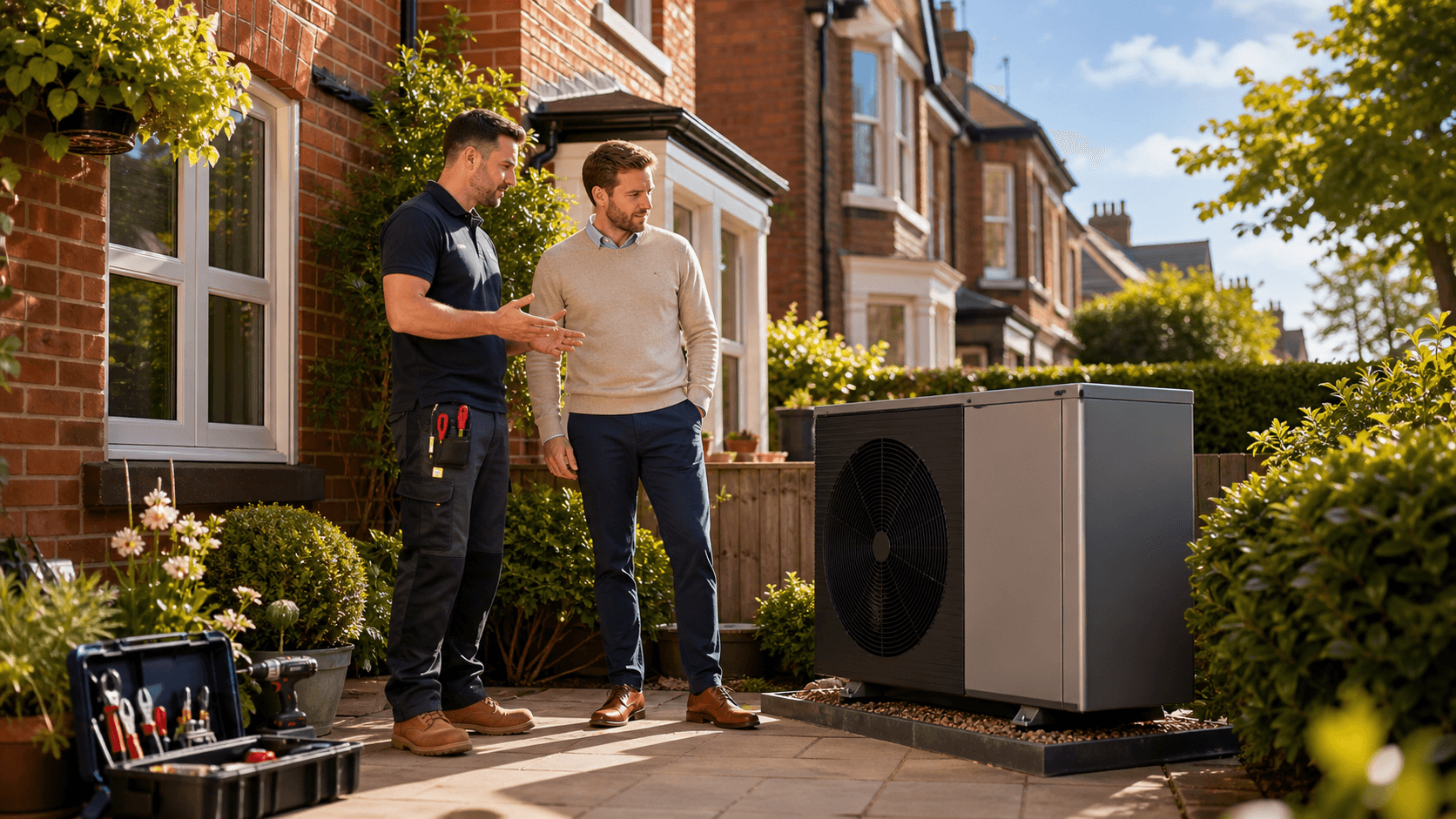
The best place to begin is with a professional assessment of your roof, electricity use and household routine. A system that suits you now should also leave room for likely changes ahead. An electric vehicle, electric heating upgrades or a heat pump can all alter how much electricity your home uses and when it uses it.
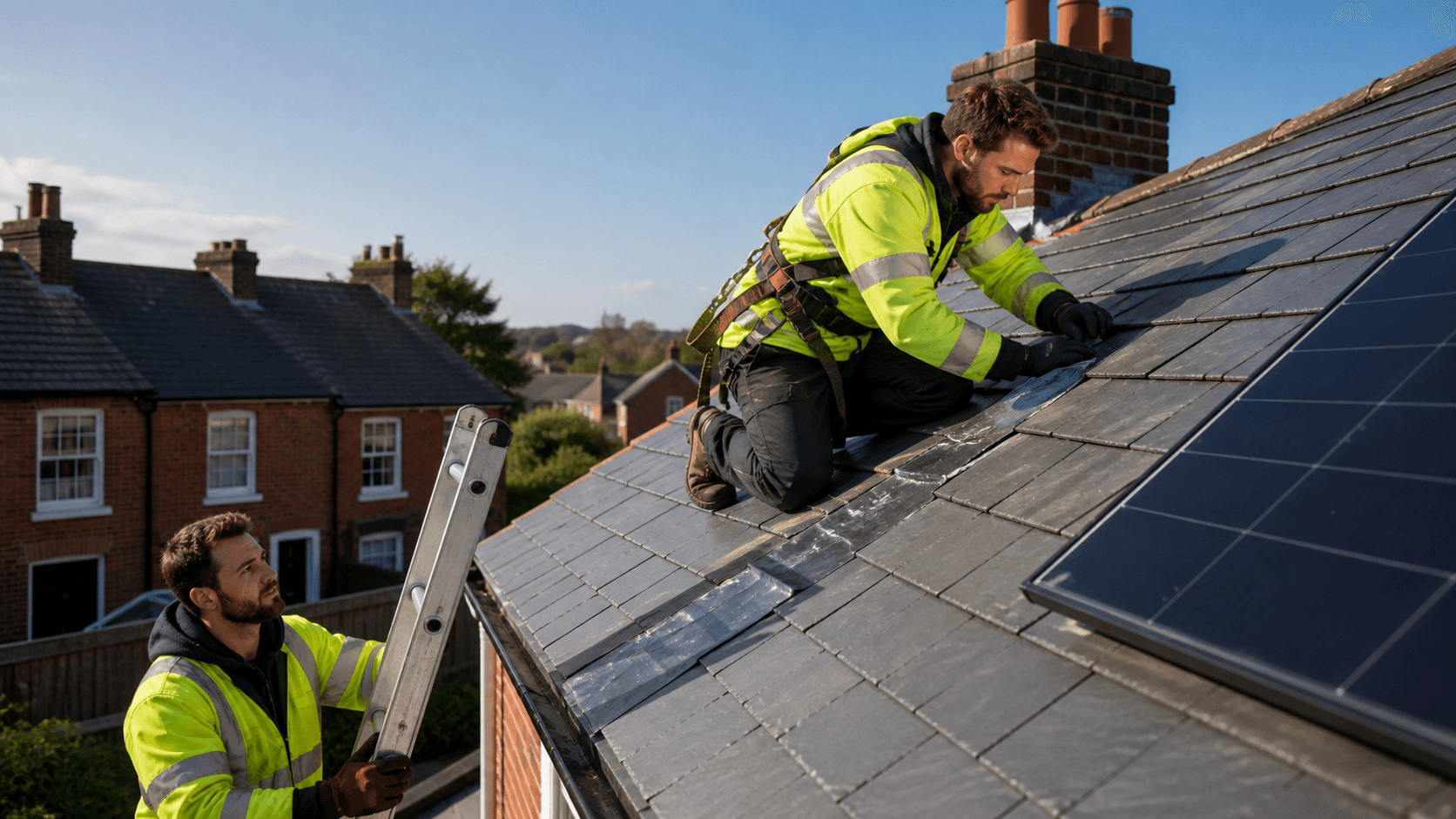
During an assessment, the practical details of the installation should be considered alongside likely generation. This includes roof condition, access requirements, cable routes, inverter location and whether the proposed panel layout avoids significant shading.
Questions worth asking include:
- How many panels can the roof accommodate?
- Which roof areas receive the most useful daylight?
- How will shading affect likely generation?
- What inverter and monitoring features are included?
- Can the system be expanded in the future?
Not every roof needs the same number or type of panels. A suitable installation should balance available space, expected electricity use and realistic performance rather than simply filling every possible area.
Our focus is on solar panel installations that are safely planned around realistic performance expectations. Storage can then be considered as part of a lower-carbon home energy system that fits your property, rather than as an add-on chosen without context.
Make an Informed Storage Decision
Battery storage can be worthwhile when your solar panels generate a meaningful surplus, your household uses plenty of electricity outside daylight hours and your tariff supports the way you plan to charge and use the battery. It may be less suitable where daytime solar use is already high or there is limited excess generation to store.
The clearest answer comes from looking at likely generation, self-consumption, export levels and future energy demand together. A properly sized solar panel system should come first, with battery capacity chosen only where it matches how your home actually uses electricity.
Get a Solar Plan Built Around Your Home
At Eaasy Heat, we can help you assess whether battery storage installation in Wolverhampton fits alongside your solar panel plans. Our team will discuss your household's energy needs and provide clear recommendations based on practical performance. Ready to take the next step? Contact us to arrange a consultation.