Make This Autumn the Last Time You Rely on Gas
Planning heat pump installation in Birmingham before the cold really bites makes life much easier. Late summer and early autumn give you time to think things through, compare options and get your home ready, instead of rushing when you are already cold and fed up with high bills.
Right now, evenings in Birmingham are starting to feel cooler again, and memories of last winter's gas bills are still pretty fresh. This is the point where a lot of people start wondering if there is a better way to heat their home. A well-designed heat pump can keep your home warm in winter and comfortable in summer, while helping to cut your energy use and carbon footprint.
We design and install energy-efficient heat pump and solar systems across the West Midlands, with a focus on simple advice, clear designs and ongoing support. In this article, we will look at why late summer is a good time to plan, how to get your home ready, what affects costs and savings, and how to choose the right installer for your Birmingham property.
Why Late Summer Is Ideal for Heat Pump Planning
Planning ahead gives you more control. When the first cold snap hits Birmingham, lots of people suddenly want quotes, and installer diaries can fill up quickly. Late summer and early autumn are usually calmer, so you have a better choice of survey and installation dates.
There are some clear seasonal advantages too:
- Milder weather makes outdoor work more comfortable and less disruptive
- There is less pressure to get you back on heat the same day, so design can be more detailed
- You get time to test and tweak settings before deep winter arrives
A good heat pump installation in Birmingham starts with proper design, not just swapping one box for another. Planning now gives room for:
- Detailed heat loss calculations for each room
- Checks on radiators or underfloor heating, and whether any upgrades are needed
- Careful sizing of the heat pump and hot water cylinder
When your system is commissioned before winter, you can:
- Learn how to use the controls without the stress of freezing weather
- Adjust timings, flow temperatures and room settings gradually
- Spot and sort out any little niggles while the weather is still mild
That way, when temperatures drop, you are already up and running with a system that feels familiar and comfortable.
Getting Your Birmingham Home Ready for a Heat Pump
Before a survey, it helps to have a quick look at your home so you have a clear picture of what you are working with. Think about:
- Your existing boiler and heating: age, reliability and any ongoing issues
- Insulation levels: loft, cavity walls, solid walls and draughty spots
- Windows and doors: single or double glazing and any obvious gaps
- Current heat emitters: radiators, underfloor heating or a mix of both
Heat pumps like well insulated homes, because they work best when they can tick along gently rather than blasting hot water into cold rooms. You do not need a perfect house, but simple fabric improvements can make a big difference to comfort and running costs.
Space and electrics also matter. For most homes you will need:
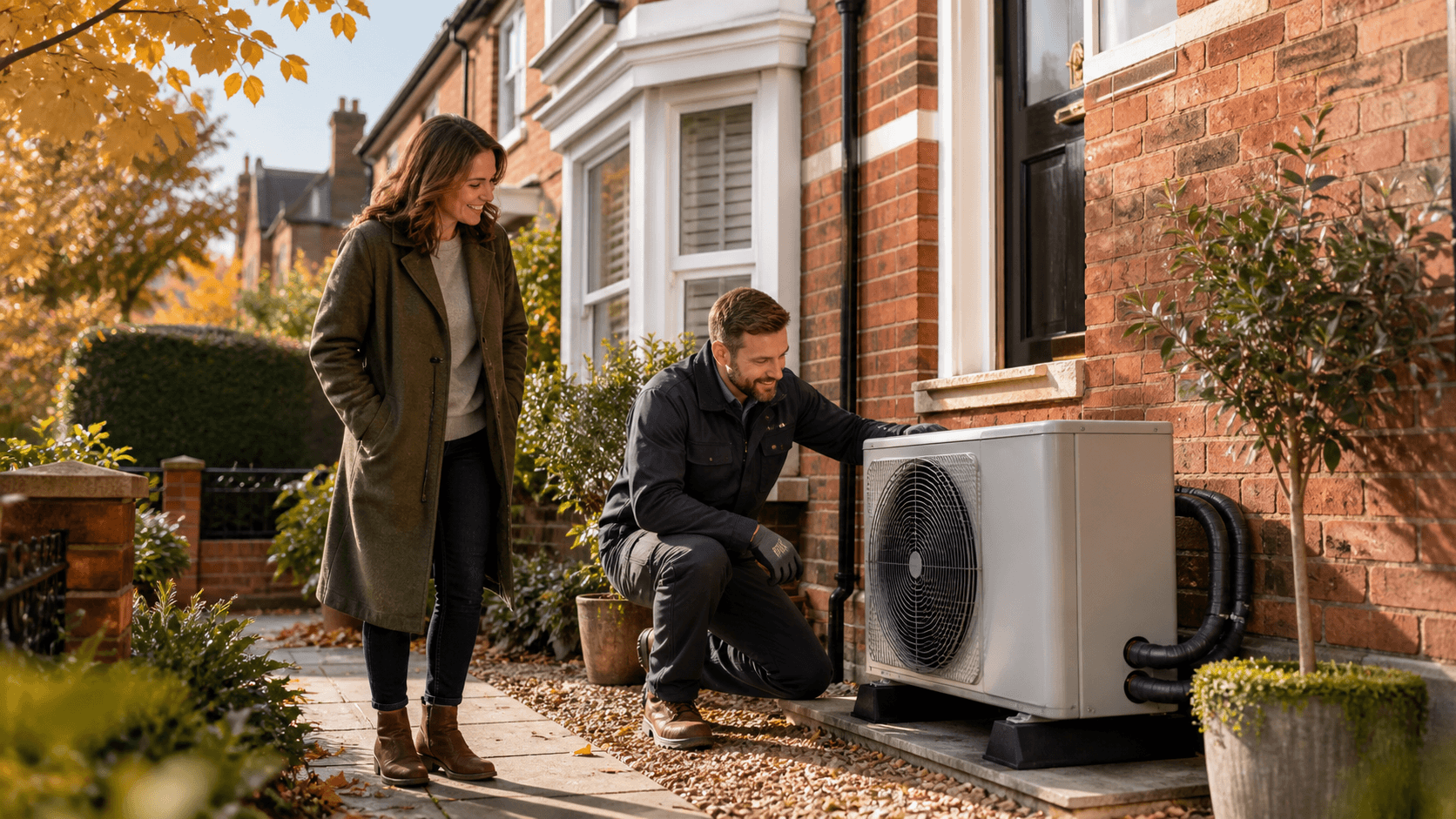
- A suitable outdoor area for the heat pump unit, with good airflow
- Sensible access for bringing equipment and pipework in and out
- An electrical supply that can support the new system and cylinder
Sometimes a consumer unit check or minor electrical upgrade is needed. This is normal and something a professional installer will talk you through.
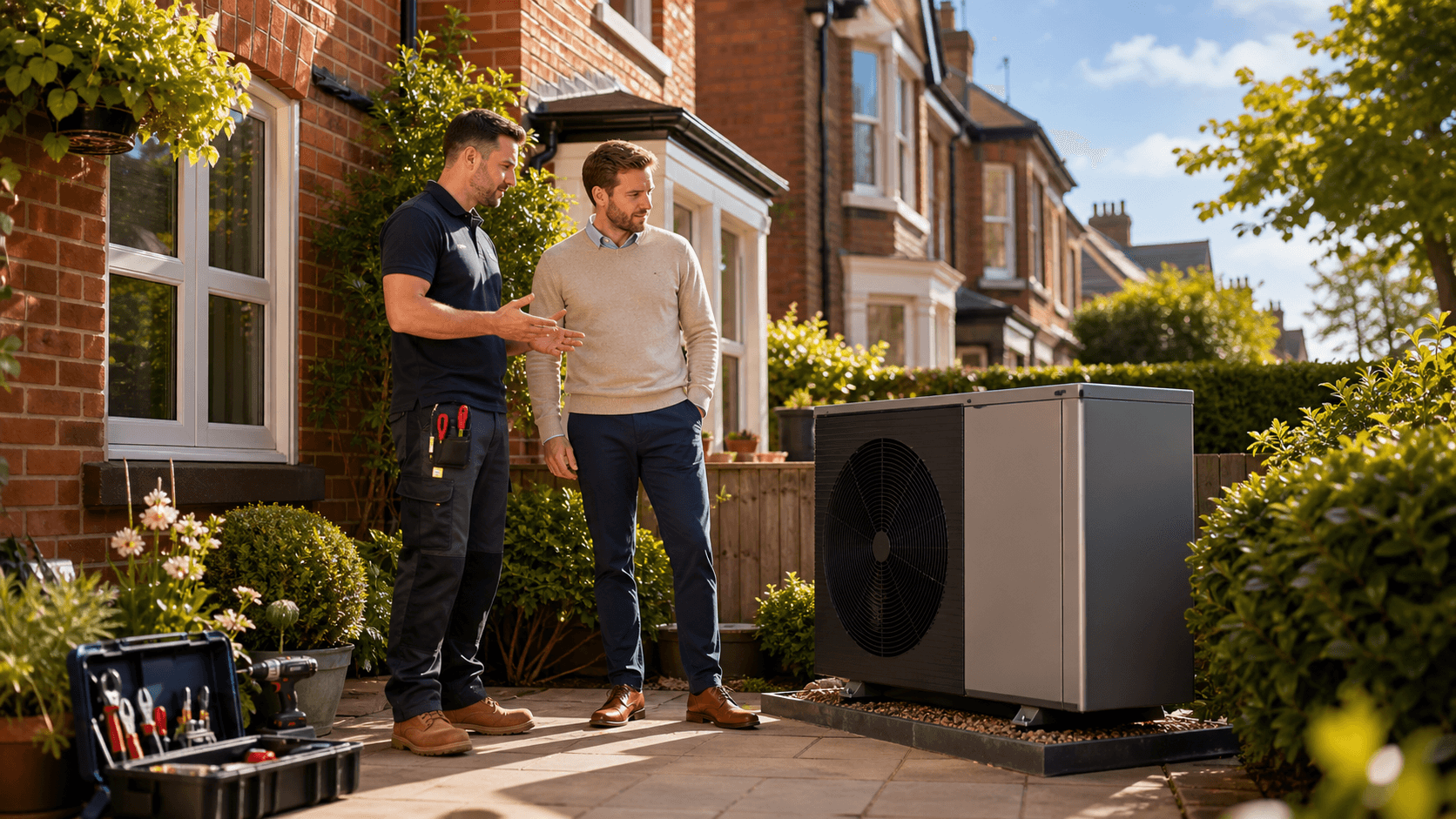
When we carry out a home survey in Birmingham, we usually:
- Measure rooms and check insulation and glazing
- Work out heat loss room by room
- Look at existing pipework and radiators
- Discuss how you use hot water and any future plans, like extensions
From there, we can suggest a system layout that suits your home, not just a standard one-size-fits-all design.
Costs, Savings and Support Available in the West Midlands
People often focus on the big question: how much does it cost? The truth is that there is no single figure, because every Birmingham home is different. The price of a heat pump installation in Birmingham will depend on things like:
- Property size and number of rooms
- Whether you need new radiators or hot water cylinder
- How straightforward pipe runs and electrics are
- Any extra work, such as minor building changes
Instead of fixating on one number, it helps to look at the whole picture over time. A well designed heat pump can:
- Work at lower flow temperatures, which is kinder to your system
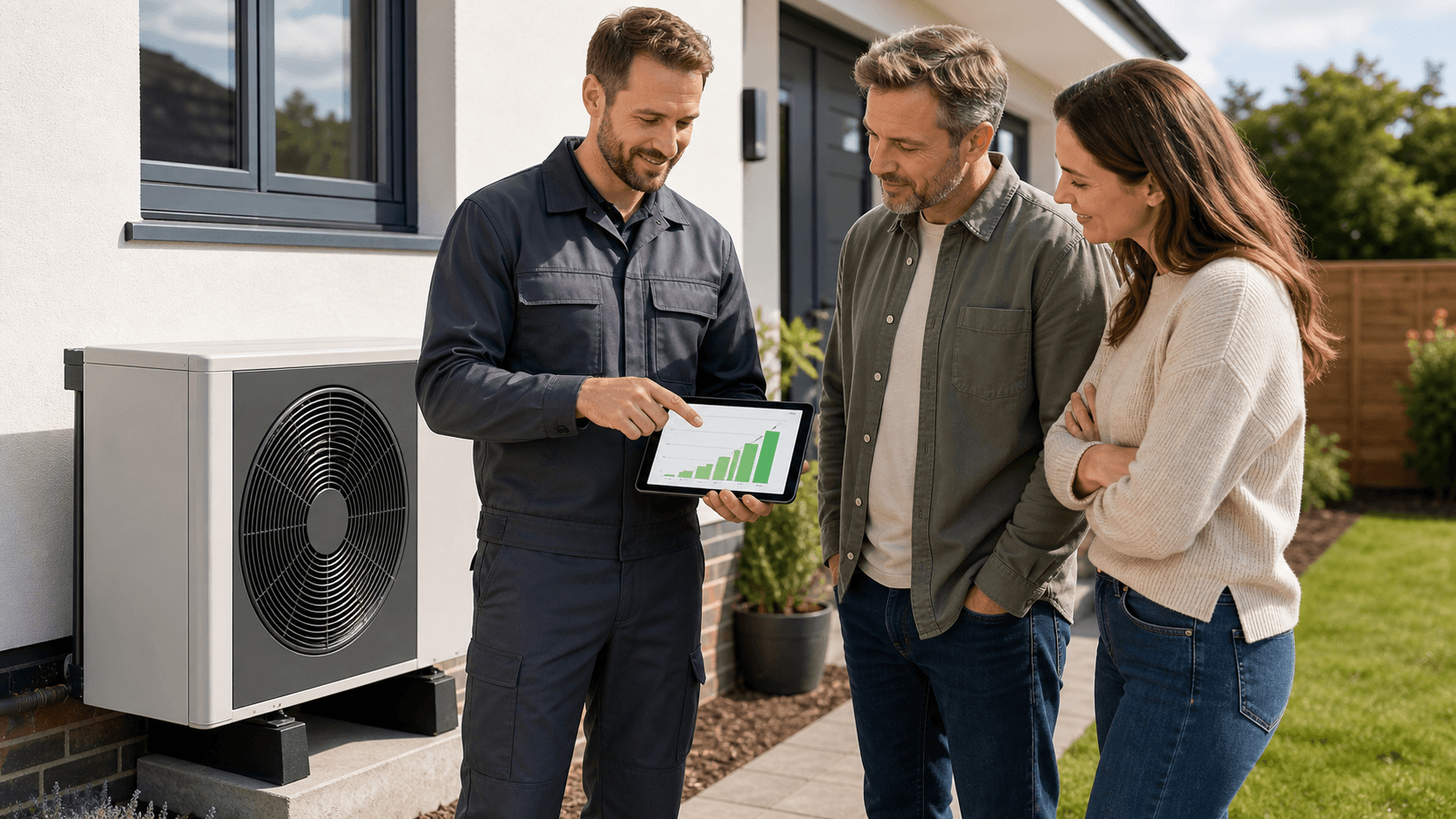
- Pair well with smart controls to avoid wasting energy
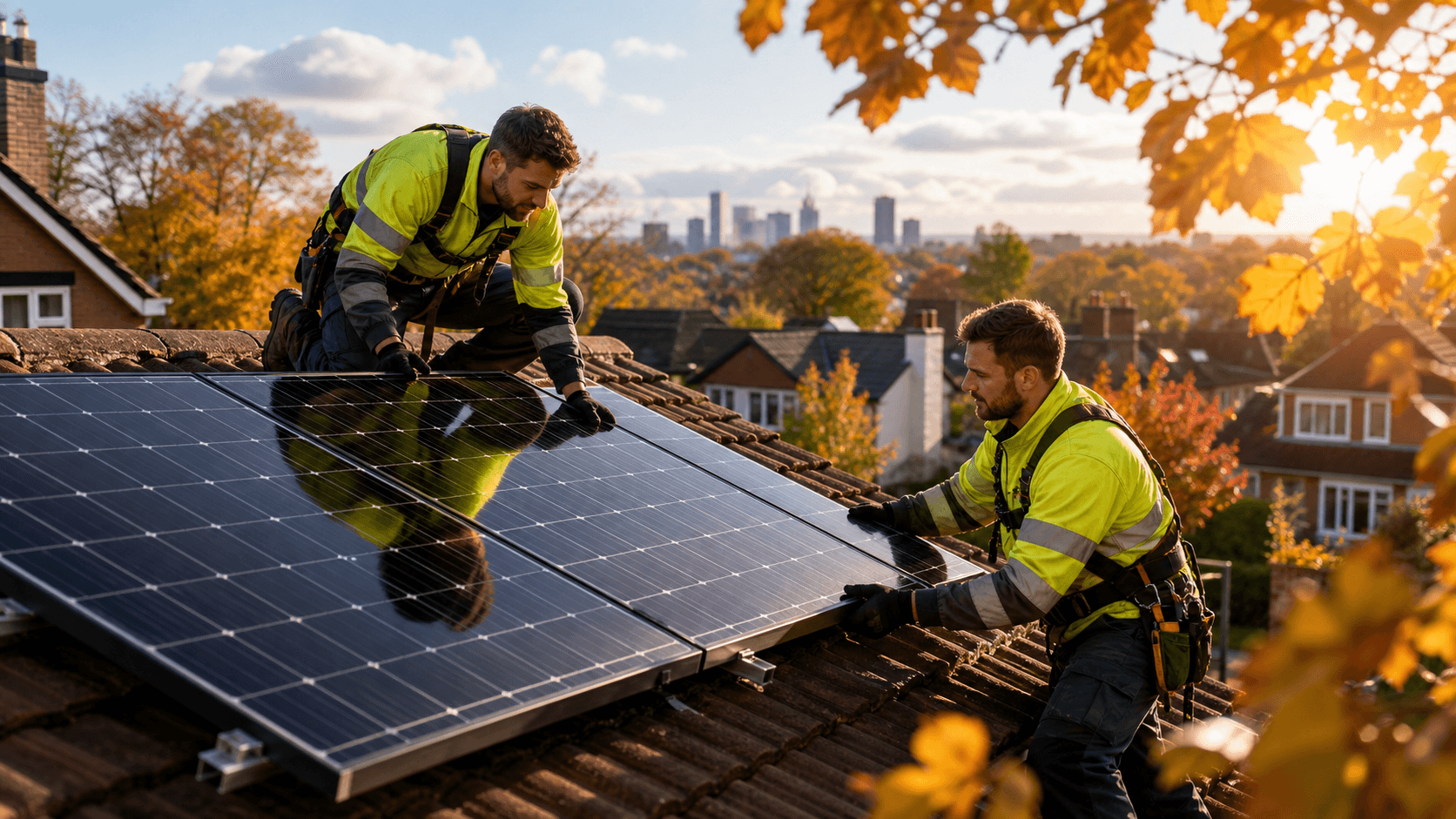
- Combine with solar panels, where suitable, to cover part of your electricity use
Over the years, that can reduce your dependence on gas or direct electric heating. Many people like the idea of shifting more of their energy use to electricity, especially if they are adding solar.
There are also grants and incentives from time to time that can help offset part of the upfront cost. These change, so the key points are:
- There are usually schemes at national level to support low-carbon heating
- Some local or regional help may be available in the West Midlands
- A good installer will explain what is currently on offer and how to apply
Running costs vary through the seasons. Heat pumps generally work more efficiently in autumn and spring, when outside temperatures are milder. In deep winter they still heat your home, but they have to work harder. That is why good design, sensible flow temperatures and solid insulation are so important for keeping monthly bills and carbon emissions down across the whole year.
Choosing the Right Installer for Your Heat Pump
A heat pump is a long-term part of your home, so choosing the right installer matters just as much as choosing the right unit. It is worth taking time to check a few basics.
- Relevant accreditation and membership of recognised schemes
- Clear experience with heat pumps, not only with traditional boilers
- A proper survey and design process, not just a quick quote
Local knowledge helps too. Birmingham has a mix of:
- Older terraces and semis with solid walls
- Post-war estates with cavity walls
- Newer developments with better insulation and different layouts
An installer who regularly works in these house types understands typical room sizes, common insulation gaps and realistic expectations on radiator upgrades. That leads to better system sizing and a more comfortable result.
Good customer service and aftercare are just as important as technical skill. Before you commit, look at:
- How clearly the quote is laid out and what is included
- What warranties are offered on equipment and workmanship
- Whether they offer ongoing support, maintenance and performance checks
We focus on tailored system designs, straightforward explanations and integration with solar where that suits the home. Our aim is to keep pricing clear, give open advice and stay on hand after installation, so you feel supported not just on day one but through many winters to come.
Book Your Autumn Survey and Get Winter Ready Now
Planning your heat pump installation in Birmingham in late summer or early autumn lets you sidestep the winter rush, secure better survey slots and get your system running before cold weather settles in. It gives time to look at insulation, think about future home plans and explore any grants or support that might apply to you.
If you are considering a switch away from gas, this is a good moment to gather a couple of recent energy bills, note any comfort problems in your home, and start asking questions. A heat pump is a big step, but with clear advice, careful design and local experience, it can turn next winter into something you are ready for, not something you worry about.
Upgrade Your Home Comfort With Expert Heat Pump Installation
If you are considering a more efficient way to heat your home, our specialist heat pump installation in Birmingham can provide reliable comfort all year round. At Eaasy Heat, we take the time to understand your property and recommend the right solution for your needs and budget. Speak to our friendly team today to discuss your project or request a tailored quote, or simply contact us to arrange a convenient home visit.