Enjoy Cosy Winters and Cooler Bills in Birmingham
Keeping a Birmingham home warm and affordable can feel tricky. Energy prices shift around, winters can be damp and chilly, and many older houses lose heat fast. It is no surprise more homeowners are looking for low-carbon heating that gives steady comfort without wasting energy.
Monobloc heat pumps are one option that fits well for many local homes. They can cut running costs compared with older systems, while keeping rooms pleasantly warm as the weather turns colder. Solar panels can also be considered alongside a heat pump, helping homeowners look at how their home generates and uses electricity as well as how it is heated. As autumn approaches, it is a good time to think about what you want your heating to look like next winter.
In this guide, we will explain how monobloc heat pumps work in simple terms, what makes them different from split systems, the pros and cons for typical Birmingham properties, what installation involves, how they tend to perform across the seasons, and how solar PV may fit into a wider home energy plan. By the end, you should have a clearer sense of whether monobloc heat pump installation might suit your home.
What Is a Monobloc Heat Pump and How It Works
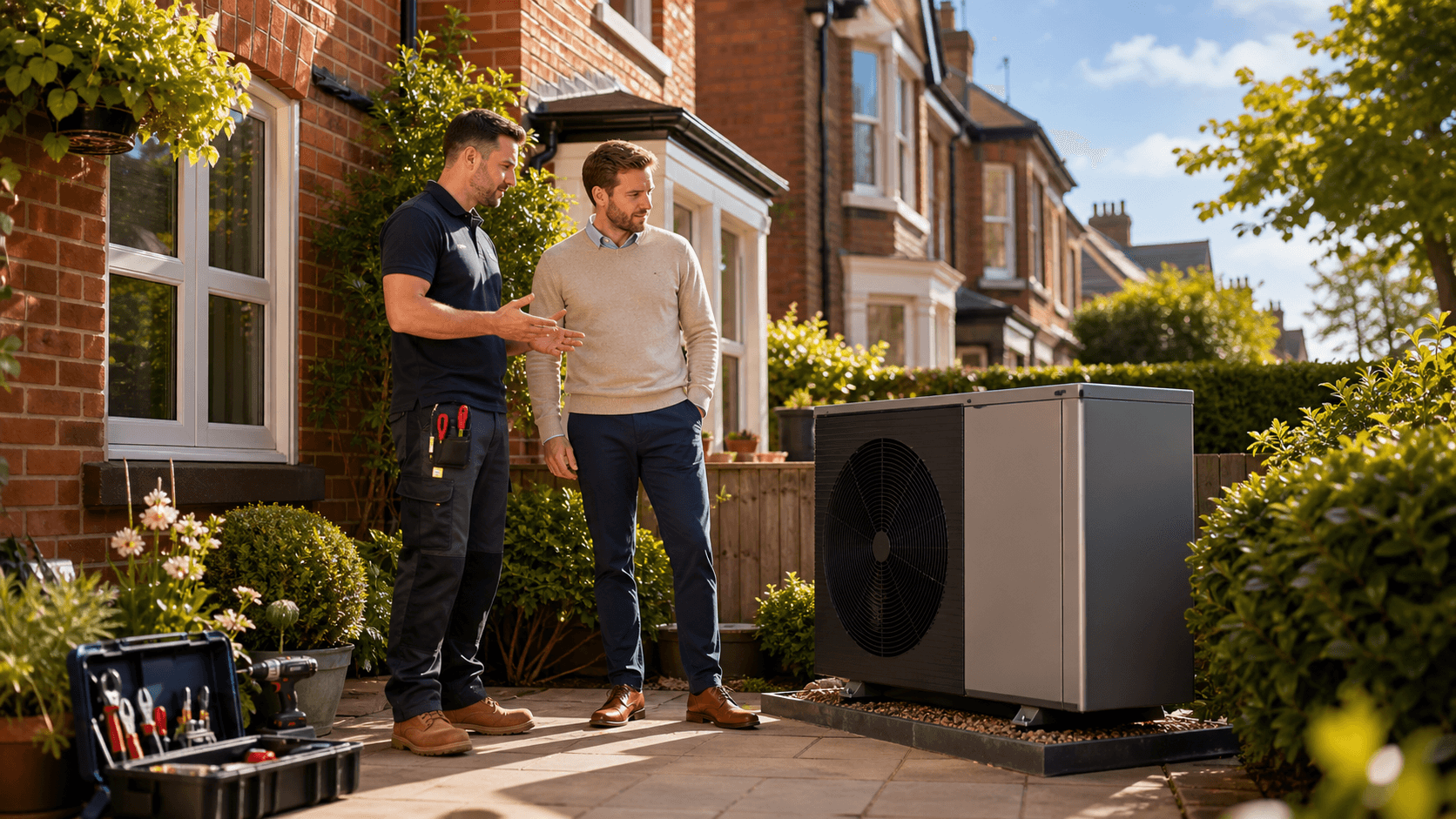
A monobloc heat pump is a type of air source heat pump where all the main parts sit in one single outdoor unit. That outdoor unit contains the compressor, heat exchanger, and refrigerant circuit. Pipes run from the unit into your home and connect to your heating and hot water system, usually through a hot water cylinder.
Instead of burning gas, the heat pump pulls low-level heat from the outside air, even when it feels cold. It then boosts that heat to a higher temperature and passes it into your radiators, underfloor heating or cylinder.
Compared with a split system, the layout is a bit different:
- Monobloc: one outdoor unit with water pipes running indoors
- Split: outdoor unit plus an indoor unit linked with refrigerant pipework
- Monobloc: no refrigerant pipework inside the property
- Split: refrigerant pipes must be run through the building fabric
For many West Midlands homeowners, the monobloc design is appealing because:
- There is no indoor refrigerant unit taking up space
- Indoor disruption can be lower during installation
- Pipe runs inside are usually simpler to route
You still need room for a hot water cylinder and for any heating upgrades, but the technical heart of the system stays outside.
Pros and Cons for Typical Birmingham Homes
Monobloc heat pumps bring some clear benefits that work well with common house types around Birmingham and Wolverhampton.
Key advantages include:
- Quieter indoors, since the noisy compressor sits outside
- No refrigerant pipework inside, which can simplify design and changes later
- Often quicker to fit than a split system in many standard properties
- A cleaner look indoors as there is no extra indoor unit to hide
There are also some limits you need to think about:
- You must have suitable outdoor space for the unit
- The unit is visible, which can matter in smaller gardens or yarded terraces
- Correct sizing and design are very important in older, less insulated homes
- Good pipe runs to the cylinder and heating system are needed
Different Birmingham housing styles each bring their own points to think about:
- Victorian terraces: Often limited rear yard space and narrow access. A monobloc can work well if there is a clear spot with airflow and careful thought on appearance. Insulation upgrades usually make a big difference here.
- 1930s semis: Typically have driveways or side paths, which gives more options for siting the unit. Monobloc units can sit neatly at the side with short pipe runs into the house.
- Post-war estates: These houses often have front or back gardens where a unit can sit on a small concrete pad, with reasonable space around it.
- Modern new builds: Usually better insulated with lower heat demand. A monobloc can be a strong match, and the unit can be planned into the layout from the start.
The right answer is rarely just about the heat pump itself. It is about the whole home, from insulation and windows to radiators and hot water use.
Installation, Space and Planning Considerations
For a monobloc heat pump to work well, the outdoor unit needs a sensible location. As a rule, it should have:
- Clear airflow in front and behind the unit
- A stable, level base, often a concrete slab or sturdy frame
- Enough space around it for engineers to work on it later
- Some distance from neighbours' windows to help manage noise
On tighter Birmingham streets, noise and planning need thought. Modern heat pumps are designed to keep sound levels down, but the exact position still matters. Placing the unit away from bedroom windows, raising it slightly off the ground, and avoiding corners where sound can bounce around can all help.
Planning rules can vary, but many homes can fit an air source heat pump under permitted development if it meets certain limits on size and position. A proper site survey is the safest way to check what applies to your property.
A typical monobloc heat pump installation with an experienced team will usually involve:
- A detailed home survey, including heat loss calculations for each room
- Choosing a suitable size of heat pump and a compatible hot water cylinder
- Planning upgrades to radiators or underfloor heating where needed
- Checking electrical capacity and making any upgrades
- Installing the outdoor unit, cylinder, new pipework and controls
- Commissioning, testing and explaining how to use the new system
Because almost all of the refrigerant system stays inside the outdoor unit, indoor work focuses on water pipes, controls and emitters, which many homeowners find less disruptive.
Costs, Savings and Seasonal Performance in the West Midlands
The overall cost of a monobloc heat pump installation can vary from home to home. Some of the main factors include:
- Size and type of heat pump unit
- How complex the pipe routes are between unit, cylinder and heating system
- Any electrical work needed to support the new demand
- Upgrades to radiators, underfloor heating or hot water storage
- Insulation or fabric improvements that help reach good efficiency
Running costs depend on how well the system is designed and how carefully it is set up. When a monobloc heat pump is matched correctly to the house and emitters, many households see lower day-to-day bills compared with older, less efficient gas boilers, especially where gas systems were running at higher flow temperatures.
In Birmingham's mild but often damp climate, monobloc systems can perform well across the year:
- Autumn and spring: Heat pumps can run at lower flow temperatures for long periods, which suits their efficient way of working.
- Winter peaks: Around the coldest months, a well-sized system can still provide steady warmth, though efficiency will dip a little in very low outdoor temperatures.
- Summer: Some systems can manage cylinder heating very efficiently and provide steady hot water, even when space heating needs are low.
Weather in the West Midlands is usually not extreme, which suits air source heat pumps. The key is getting the details right from the start so the system does not have to work harder than it should.
How Solar PV Can Complement a Monobloc Heat Pump
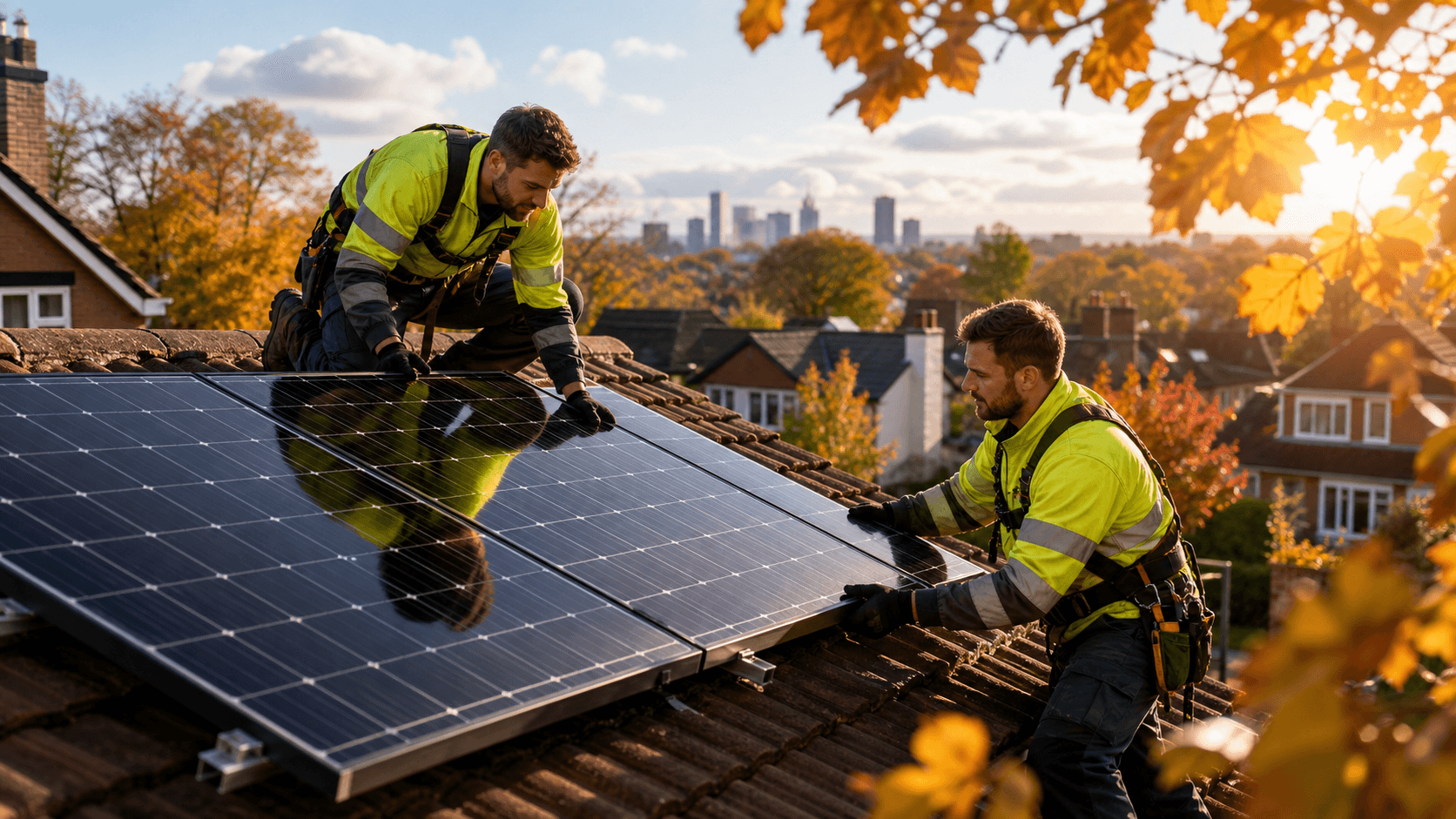
Solar PV can be a useful secondary consideration when planning a monobloc heat pump. During daylight hours, solar generation may help offset some of the electricity used for space heating and hot-water production, particularly when the heat pump is running and the household can use that electricity at the time it is generated.
The outcome will vary between homes. Household demand, the heat-pump and solar system design, solar generation, electricity tariffs, and the way energy is used or stored all affect how the two systems work together. A coordinated design can help homeowners understand the options, but solar panels do not guarantee bill savings.
For households considering both measures, controls and hot-water scheduling can be part of the conversation. For example, daytime hot-water production may be worth assessing where it fits with household routines and system design, while still ensuring the home has reliable heating and hot water when needed.
Assessing Solar Panels Alongside a Heat Pump in Birmingham
Homeowners in Birmingham and across the West Midlands should assess a solar installation as part of the whole property, rather than treating it as a separate add-on. A survey should consider:
- Roof suitability, including its condition and whether any repair work should be completed before panels are fitted
- Shading from nearby buildings, trees, chimneys or roof features, which can affect generation
- Panel orientation and roof angle, as well as the parts of the roof that are practically available
- Available roof area and how many panels can be accommodated without compromising access or safe installation
- Electrical design, including the existing consumer unit, cable routes, inverter location and how solar generation will connect with the heat pump
- Battery storage as an optional consideration for households that want to assess whether storing some generated electricity suits their usage pattern
- Coordinating solar and heat-pump installation plans, so scaffolding, electrical work, equipment locations and control choices can be planned together
This joined-up approach can be particularly helpful for Birmingham terraces with compact roof spaces, suburban semis with more available roof area, and homes elsewhere in the West Midlands where access, shading or electrical layouts differ. A property-specific assessment remains important because not every roof or household pattern is suited to the same solar design.
Solar-Panel Pricing in Birmingham and the West Midlands
Installed solar-panel costs in Birmingham and the West Midlands vary widely from property to property. The final scope can depend on system size, roof complexity, access, equipment choices, electrical work, scaffolding and whether optional battery storage is included.
A simple, accessible roof may need a different installation approach from a property with multiple roof levels, difficult access, substantial shading considerations or more extensive electrical changes. When solar is being considered with a monobloc heat pump, it is also sensible to account for the wider electrical and control design rather than comparing systems in isolation.
Solar Grants and Support
Grant schemes, local support and eligibility can change over time. Homeowners in Birmingham and across the West Midlands should confirm current availability and requirements before making decisions about solar panels, heat pumps or a combined project.
Checking the latest details before committing to an installation can help ensure that plans reflect the support and requirements that apply at the time.
When a Monobloc Heat Pump Is the Right Choice for You
A monobloc heat pump is often a strong choice if you:
- Plan to stay in your home for the long term
- Have a suitable outdoor space with good airflow
- Are willing to look at insulation and radiator upgrades if needed
- Prefer a quieter indoor environment with less equipment inside
In some cases, another type of system might suit better. For example:
- Flats or homes with no private outdoor space may struggle to find a suitable unit location
- Properties with very limited garden or yard area might benefit from different layouts or shared solutions
- Homes with very high peak heat demand and no scope for fabric improvements might consider other options or staged upgrades
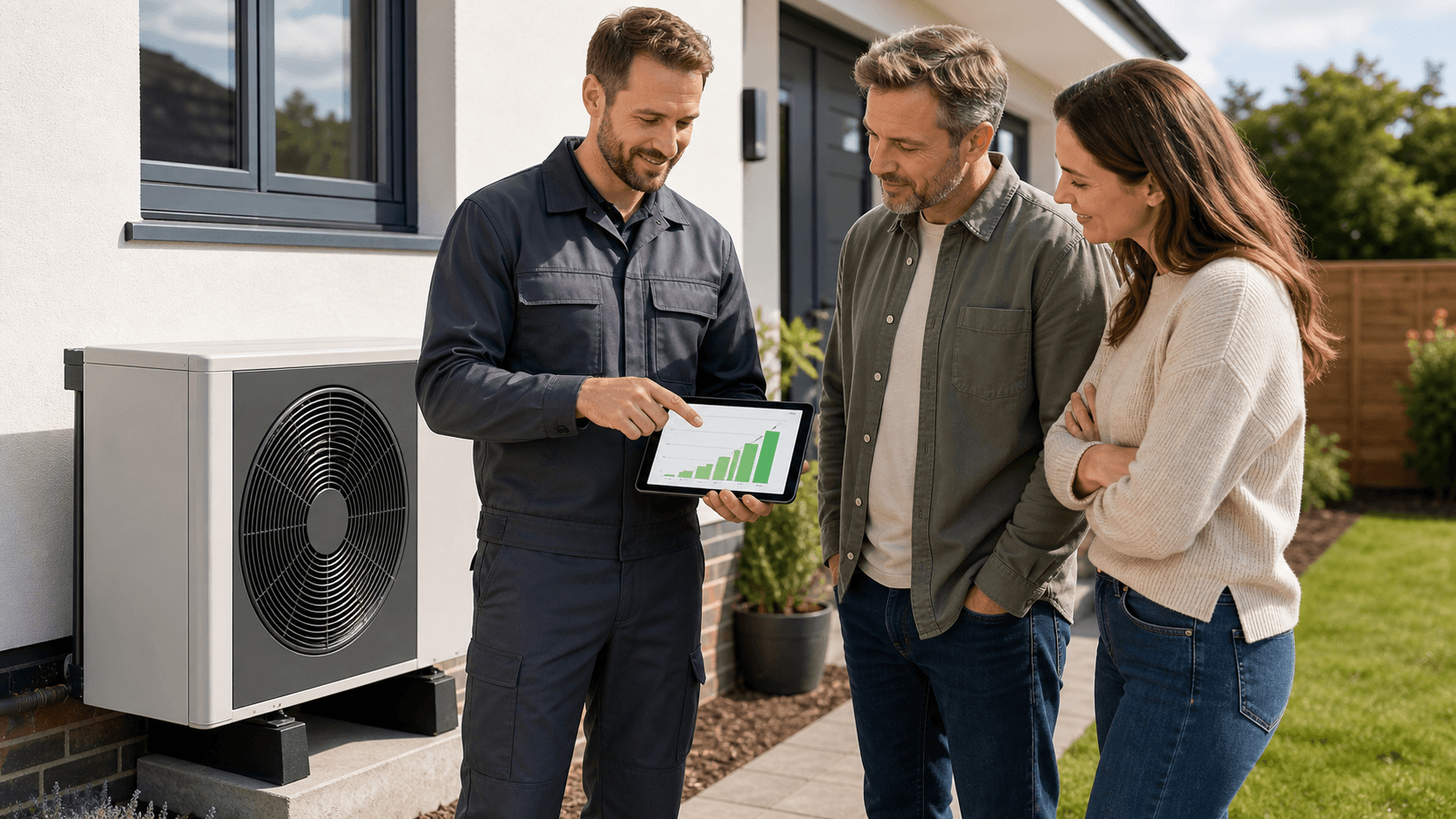
At Eaasyheat we design and install air source and other low-carbon heat pump systems, along with solar solutions, across Birmingham, Wolverhampton and surrounding areas. If you are curious whether monobloc heat pump installation could work for your property, a tailored home survey is the best way to see what is possible before the colder weather arrives again. Homeowners can also explore Birmingham heat-pump installation and West Midlands heat-pump installation options when considering a local project.
Get Started With Your Project Today
If you are considering a coordinated heat-pump-and-solar assessment, we can design and carry out a tailored monobloc heat pump installation and help you assess whether solar panels could suit your property and plans. At Eaasy Heat, we handle everything from initial assessment to final handover, so you always know exactly what is happening and why. Speak to our team today to discuss your plans or book a consultation, or simply contact us with a few details and we will get back to you promptly.