Air Source Heat Pumps for Older West Midlands Homes
Air source heat pumps can provide steady, efficient heating for older homes without requiring you to live in thick jumpers or accept cold rooms. Many West Midlands properties, with solid brick walls, original windows and loft conversions, can feel difficult to heat, but a properly designed air source heat pump system can improve comfort while working with the character of the building.
Across our region, plenty of terraces, semis and cottages still rely on traditional gas boilers that are working harder as bills rise and climate targets tighten. Replacing a boiler with an air source heat pump does not always mean ripping everything out or losing the features you love. Careful planning, carried out in the right order, can make a significant difference without turning your home into a building site.
Late summer is a useful time to consider an air source heat pump installation. The pressure of the heating season has not arrived yet, installers are usually less busy, and there is time to plan work around your household. Preparation now can mean a warmer, calmer winter, with time to test and fine-tune the system before the first cold snap hits.
Why Older West Midlands Homes Lose so Much Heat
Many homes in the West Midlands were built long before people expected even temperatures, long showers and warm loft rooms. Typical local property types include:
- Pre-war terraces with solid brick walls
- Post-war semis with mixed construction
- Victorian and Edwardian houses with high ceilings
- Rural cottages with stone or solid brick walls
These buildings often share the same weak spots. Common problem areas are:
- Uninsulated solid walls that soak up heat
- Suspended timber floors with cold draughts underneath
- Single or very early double glazing that leaks warmth
- Roofs and lofts with thin, patchy insulation
- Open or unused chimneys sending warm air outside
When heat slips away through these parts of the building, an air source heat pump has to work harder to maintain comfort. That can result in cold spots, chilly corners and condensation on windows and walls if the system has not been designed around the actual heat loss of the property.
This is why a whole-house view matters before installing an air source heat pump. A professional survey should establish:
- How quickly your home loses heat
- Which rooms are worst affected
- Where air is sneaking in and out
- What heat output each room needs on colder days
With that knowledge, an installer can size the heat pump and radiators correctly rather than trying to compensate for a leaky building with unsuitable equipment.
Modern Energy Efficient Heating That Respects Old Homes
Air source heat pumps are designed to collect heat from the outside air and move it into your home. They usually operate at lower flow temperatures than a typical gas boiler, providing gentle, steady warmth rather than short bursts of heat. This can suit older homes very well when the system is designed specifically for the building.
In terraces, semis, Victorian and Edwardian homes, and rural cottages, that design often includes:
- Room-by-room heat-loss calculations
- Larger or additional radiators where existing ones cannot deliver enough heat at lower temperatures
- Underfloor heating in suitable new extensions or refurbished rooms
- Zoning and controls so different areas can be set to match how they are used
Many people worry that an air source heat pump will not be warm enough in a draughty house, will be too noisy or will cause too much disruption. These are sensible questions to raise during a survey. Reducing draughts, improving practical insulation measures, sizing emitters correctly and selecting the right controls all help the system run reliably.
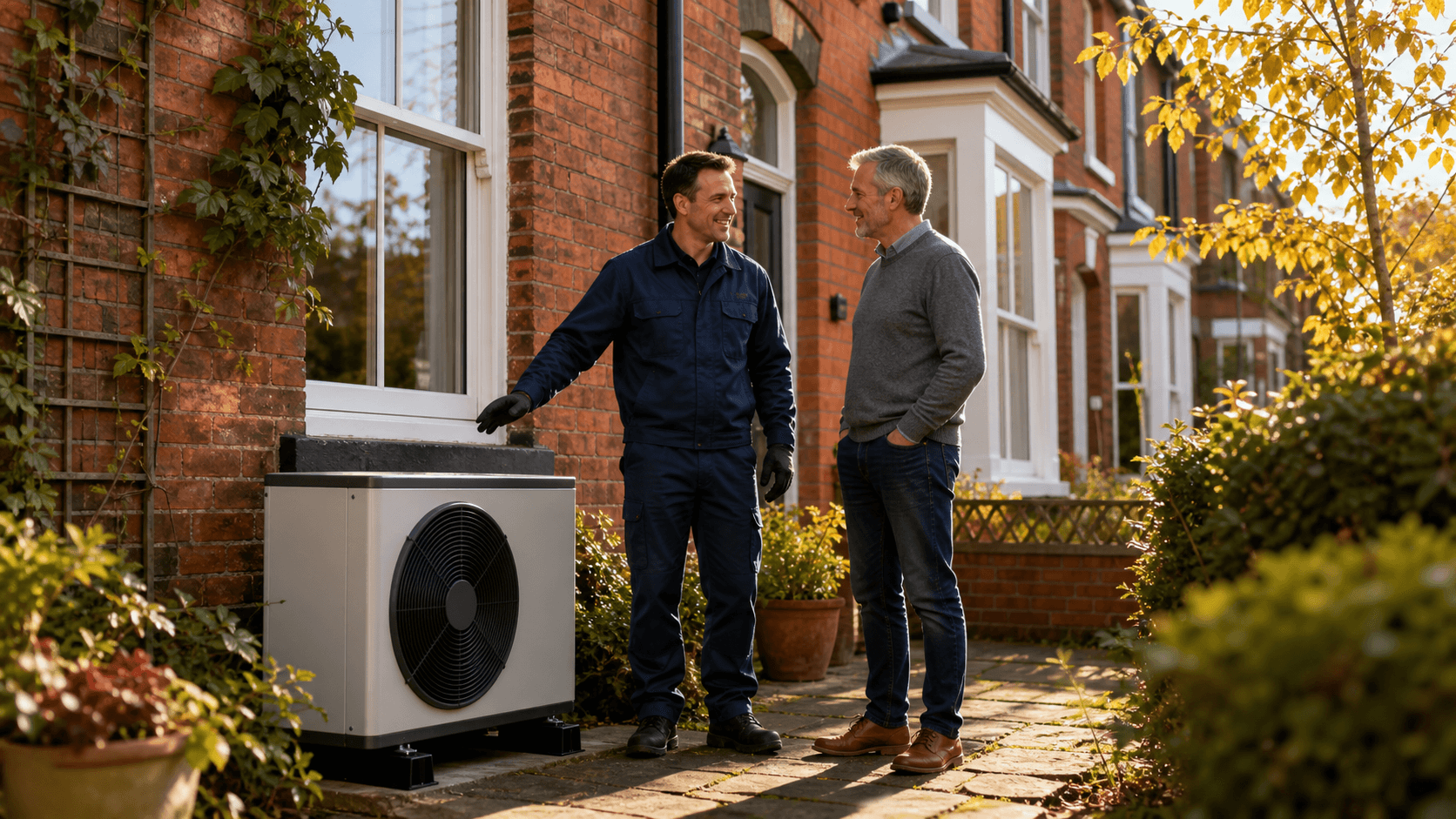
The outdoor unit also needs careful planning. It should have clear airflow, a stable base and a location that considers access for installation and future maintenance. In closely spaced terraces and semis, siting should take account of boundaries, neighboring properties and sound. A good installation plan considers these details before work begins, rather than treating the outdoor unit as an afterthought.
Preparing Your Home for a Heating Upgrade
Before you commit to an air source heat pump, it is worth looking at straightforward ways to help it perform well. Some quick wins, usually with limited disruption, include:
- Topping up loft insulation where access is safe
- Draught-proofing around doors, skirting boards and floorboards
- Sealing gaps around pipework and loft hatches
- Checking radiator valves and controls are working properly
For homes with character features, such as original brickwork, timber windows or decorative plaster, changes need more care. Suitable options can include:
- Internal wall insulation on selected external walls
- Secondary glazing on existing windows to keep their look
- Breathable materials that allow older walls to handle moisture
A professional air source heat pump survey ties all of this together. That typically means room-by-room checks, heat-loss calculations, assessment of existing pipework and radiators, and discussion of how you actually use the house. It should also consider whether there is suitable space for a hot water cylinder, as most air source heat pump systems need one to provide stored hot water for baths, showers and taps.
The survey should review the proposed outdoor-unit position, electrical requirements, condensate drainage, access for installers and the practical sequence of work. Planning in late summer has some clear advantages. Radiators can be off for a day or two without causing stress, you have more freedom to choose dates that suit you, and there is time to test and fine-tune the new system before temperatures drop.
Costs, Grants and Practical Payback
Installing an air source heat pump is a significant home improvement project, and it helps to understand what sits behind the overall cost. Key elements usually include:
- The air source heat pump outdoor unit and indoor controls
- A suitable hot water cylinder and associated pipework
- New or upgraded radiators and, in some cases, underfloor heating
- Installation labor and any necessary building work
- Electrical checks or upgrades, for example for consumer units
- Selected insulation or draught reduction work
The final scope depends on the property, its heat loss, the condition of the existing heating system and the space available for equipment. An accurate survey is the best way to understand which improvements are necessary for an older home and which are optional.
Grants may be available for eligible households installing an air source heat pump. Availability, criteria and application requirements can change, so it is important to confirm the current details before making decisions or relying on support as part of your budget.
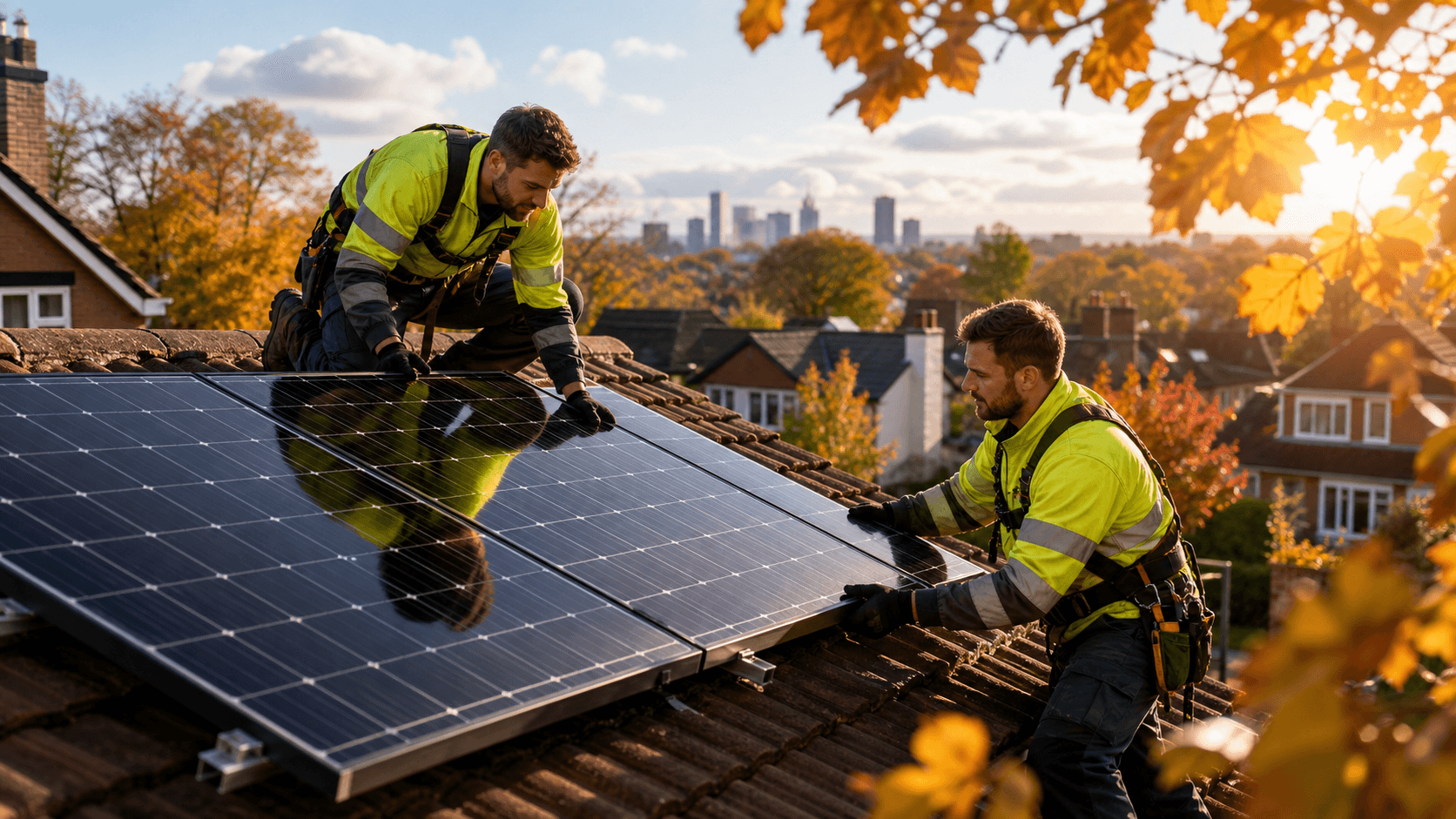
When considering value, look beyond the initial installation. A well-designed air source heat pump can provide more even room temperatures, responsive control over heating schedules and a lower-carbon alternative to a fossil-fuel boiler. Running costs and any savings will depend on the home, the system design, electricity tariff, insulation levels and how the household uses heating and hot water. Solar PV can be an optional complementary measure for some households, but it is not required for an air source heat pump installation.
Take the Next Step to a Warmer, Greener Home
If you live in an older home in the West Midlands, you do not have to choose between comfort and lower-carbon heating. With thoughtful preparation, a clear understanding of your building fabric and a well-designed air source heat pump, you can enjoy steady warmth, quieter operation and more control over your heating.
At Eaasy Heat, we focus on making an air source heat pump installation feel straightforward, not stressful. We encourage you to gather recent energy bills, think about rooms that never quite feel right and consider any future plans for your home, such as extensions or changes to how your household uses hot water. With that picture in mind, an air source heat pump can be planned around busy family life and fitted with care so your home is ready for many winters to come.
Get Started With Your Project Today
If you are ready to improve comfort at home with an air source heat pump, we can help you choose the right air source heat pump for your older West Midlands home. At Eaasy Heat, we take the time to understand your property and tailor a system that fits your needs and budget. Speak to our team today to discuss an air source heat pump survey or installation, or simply contact us to book an appointment.